


Turnitin AI Score Explained: What the Percentages Actually Mean

Turnitin ai detection scores explained is a phrase that keeps popping up online as more people in schools look into how software spots machine-written work. A tool built by Turnitin guesses whether parts of an essay were made by AI systems.
That number you see? It isn’t a solid fact, just a rough guess based on certain writing habits often found in computer-created texts.
Not everyone understands what this ai detection score percentage really means, often assuming it confirms cheating, when actually it only suggests likelihood. Think of it like weather odds: high chance doesn’t mean rain will fall.
Context matters each time someone reviews these results. This is the basic idea behind turnitin ai detection scores explained.

Turnitin AI Detector Explained?
What makes the turnitin ai detector different? It scans essays not by matching sources, but by studying how sentences flow. Instead of hunting copied lines, it watches for rhythm like repeated phrasing or oddly smooth transitions. Think of it like spotting a robot voice in human speech.
Even your own words might raise alerts if they feel too uniform. The software checks cadence more than content. That matters most for those who write tightly organized student writing. So when results come back with high marks, pause before reacting.
Maybe it's not cheating, it's just patterned thinking showing through. Clarity alone won’t fool this scanner; variation does. Watch what happens when every sentence follows the same beat. Surprise disappears. Words start feeling manufactured even if you wrote them yourself. This is often misunderstood in turnitin ai detection scores explained discussions.
How AI Detection Score Percentage is Generated
An ai detection score percentage shows how likely text was made by AI, based on patterns learned from real people's writing and computer-generated words. Because machines study things like rhythm in sentences, common phrases, and consistent styles, they spot similarities.
If what you wrote looks too much like typical ai generated content, the score goes up. Still, mistakes happen. The way someone writes, how hard the subject is, or a stiff tone might change the result.
Even smart tools like gptzero and originality show that detection is not perfect. A student paper that feels too stiff might mirror machine patterns by accident, nudging the score higher. That’s why turnitin ai detection scores explained are important, it's not proof, just a guess.
AI Scores Explained From 0 to 100 Percent Breakdown
Low AI Percentage (0 to 20)
Most times a score under twenty points feels like natural human work. Little signs point toward machine help when numbers stay this low. Still, just because the result looks human doesn’t mean artificial tools played zero role.
Plain ways of writing, or cleaned-up ai paraphrasing tool outputs, might still show up here. This part is often misunderstood in turnitin ai detection scores explained.
Medium AI Range (20 to 60 Percent)
In the middle range roughly 20 to 60 percent things get trickier to judge. Since patterns overlap, results might blend natural expression with machine-influenced phrasing.
Writing shaped by strict formats sometimes looks too uniform, like something an algorithm would produce. Because of this, teachers tend to look closer instead of accepting numbers at face value. This gray area matters a lot in turnitin ai detection scores explained.
This is also where false positives are most common, especially with structured academic essays.
High Chance of AI Involvement (60 to 100)
When a score sits between 60 and 100 percent, the wording often matches how ai generated content tends to write. Still, that alone won’t prove someone used artificial intelligence.
Some learners who lean on set phrases or rework sentences through translation might land here too. Even if the tool marks text as probably AI-written, checking context matters just as much. This is a key point in turnitin ai detection scores explained.
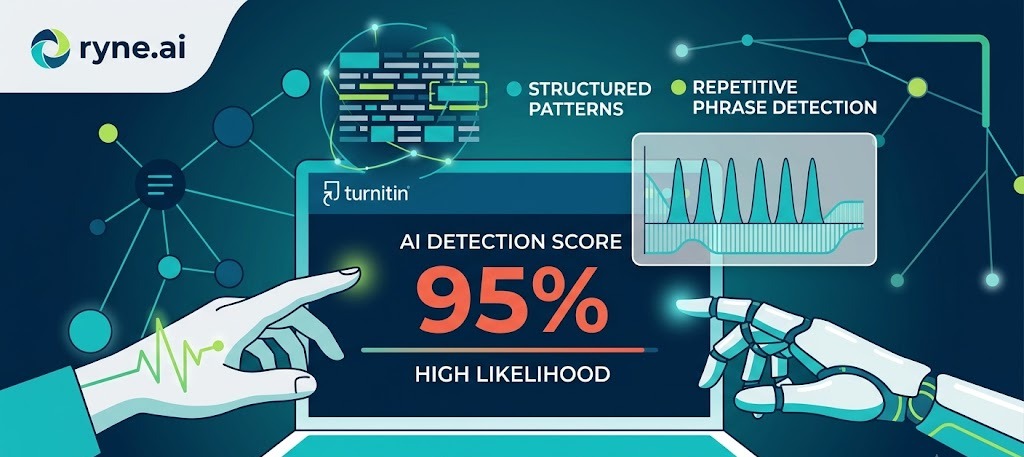
How Turnitin AI Detection Operates Internally
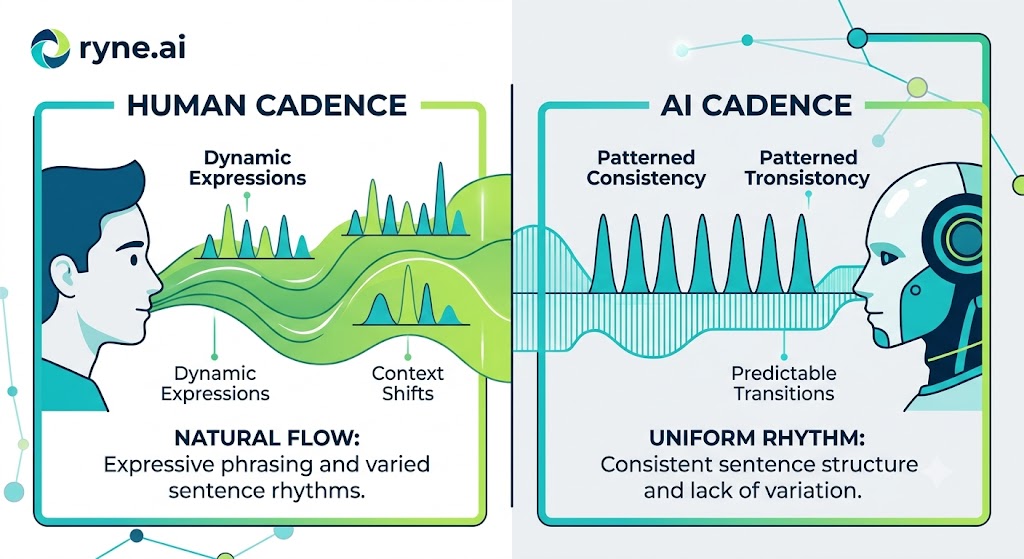
Looking at how words line up and flow helps spot what feels off about certain texts. Because machines prefer steady rhythms, their writing tends to run in even waves unlike human quirks.
Patterns pop up at the same lengths, similar builds that make some paragraphs feel too clean. Even so, sharp thinkers might craft tight prose that mimics those traits by design.
This blur between polished humans and software affects detection accuracy and leads to false positives, which is important in turnitin ai detection scores explained.
GPTZero versus Originality AI
One way to spot AI writing is checking how words flow. Tools such as gptzero look closely at rhythm and repetition. Systems like originality ai search for similar signals differences between natural mistakes and robotic uniformity.
Turnitin enters that same space, trying to flag essays shaped by machines instead of minds. But since each tool works differently, results may shift between them.
This inconsistency is exactly why turnitin ai detection scores explained should never be treated as final truth.
False Hits in Turnitin AI Scans
Why false positives happen
Wrong alarms called false positives appear when human writing gets labeled as AI-made. Machines sometimes mistake stiff wording for artificial origin, especially in organized essays.
Non-native English writing patterns and structured student writing can also trigger alerts. These overlaps are a known issue in turnitin ai detection scores explained.
Impact on academic integrity
False flags can create pressure and confusion around academic integrity. Students may feel unfairly judged even when their work is original.
Because of this, schools are advised to treat AI detection tools as support not final judgment.
| ✅ Pros | ❌ Cons |
|---|---|
| Helps spot possible computer help in student writing. | Can misread human writing as fake. |
| Analyzes structural and rhythm patterns efficiently. | Stiff, uniform phrasing triggers false hits. |
| Useful tool as support for academic integrity checks. | Results are an estimate, not final proof or absolute truth. |
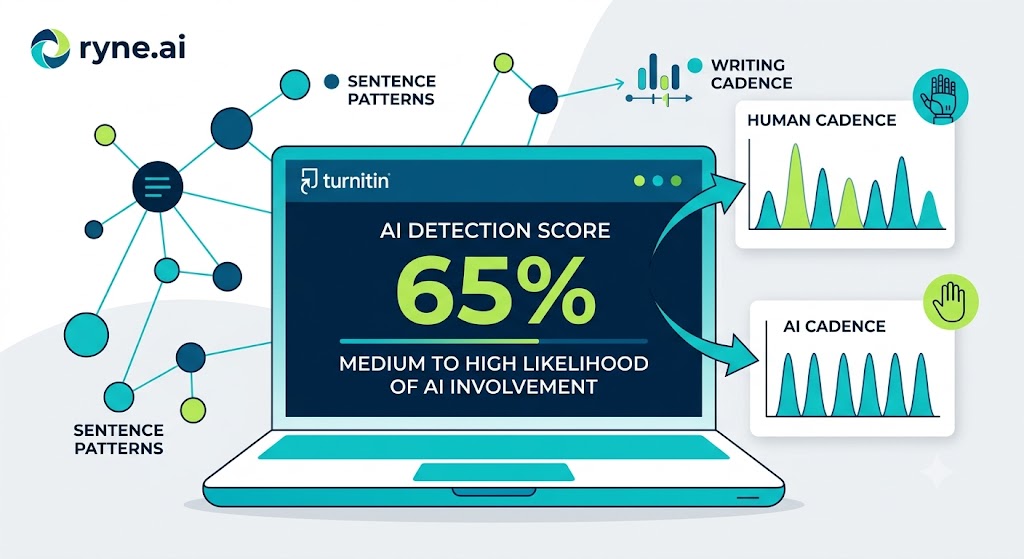
Turnitin AI Detection Score Accuracy
Even with smart software, AI detectors do not always perform with full detection accuracy. New models of ai generated content evolve quickly, sometimes faster than detection systems.
This gap is why turnitin ai detection scores explained emphasizes probability over certainty.
Can You Bypass Turnitin AI Detection?
Some try to bypass turnitin ai systems using rewriting tools or an ai paraphrasing tool that makes text sound more human.
These methods often attempt to “hide” machine patterns, but detection systems continue improving. Instead of relying on shortcuts, better student writing habits are more effective long-term.
Difference Between Similarity Report and AI Detection Score
A similarity report checks copied content, while the AI score analyzes writing style and structure.
A text may pass a plagiarism checker but still show AI-like patterns. Understanding this difference is key to turnitin ai detection scores explained.
Writing Naturally and Avoiding Detection Issues
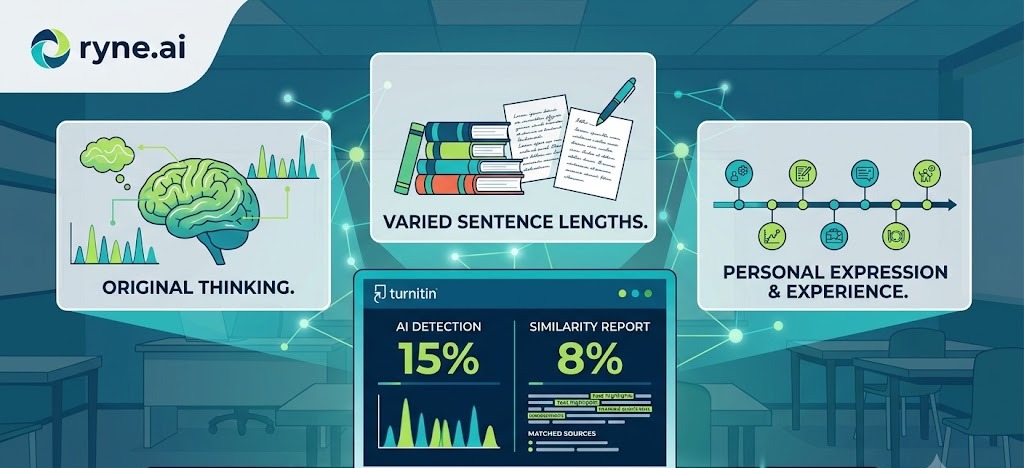
Writing naturally means using real thoughts, varied sentence lengths, and personal expression. This improves authenticity and reduces over-reliance on tools like humanize ai text software.
Start by writing like you normally speak - real words, real thoughts. A mix of short and long sentences keeps things flowing without feeling forced. Because clarity matters, build your point step by step, not with filler but with thought behind each line.
When examples come from experience, they fit better than borrowed phrases. Some turn to rewriting apps hoping for quick fixes, yet those often leave a trail of mismatched tones.
What sticks is practice: shaping ideas fully, owning every paragraph. Original work doesn’t need tricks - it shows up clearly on its own.
Conclusion
Figuring out what those Turnitin AI numbers really mean matters more now that machine-written work pops up so often in schools. That number you see isn’t some absolute truth - it’s just an educated guess pulled from how sentences are built.
A low score doesn’t always mean safe, just like high doesn’t automatically signal guilt - each case needs careful thought.
Though helpful when spotting possible computer help, the tool sometimes misreads human writing as fake. People who review these reports must stay alert, not rely only on digits. Real learning grows when effort comes from within, words feel true, and tech supports - not replaces - original thinking.
FAQs
Zero percent AI detection meaning
A 0% result usually suggests no strong signs of AI writing, but turnitin ai detection scores explained reminds us it is still only an estimate.
Why do false positives happen?
false positives happen when structured or formal writing looks like ai generated content, especially in academic formats.
How do teachers interpret AI scores?
Teachers combine software results with experience, judgment, and writing behavior rather than relying only on the ai detection score percentage.
What is the difference between similarity report and AI detection?
The similarity report checks plagiarism, while AI detection checks writing style patterns.
How can students improve writing authenticity?
Strong student writing comes from original thinking, natural expression, and avoiding overuse of ai paraphrasing tool or rewriting software.


Wordtune vs Ryne AI: Which Actually Humanizes AI Text?
Compare Wordtune vs Ryne AI to see which tool actually humanizes AI text. Discover features, pricing, and AI detection bypass performance in this 2026 breakdown.

Sapling AI Detector Review 2026: How Hard Is It to Bypass?
Discover our Sapling AI Detector Review 2026. Learn how it works, features, pros and cons, and whether you can bypass AI detection using an AI text humanizer.