


ZeroGPT Review 2026: Is It Still Accurate? We Tested 500 Samples

Out of nowhere, artificial intelligence began reshaping how folks produce written work. Blog entries, ads, research essays, even item details - machines now draft heaps of text fast.
Saving hours on one hand, yet sparking fresh issues on another: telling real voices from synthetic ones grows harder.
Because of that shift, software built as an AI text detector has gained ground lately across schools, media houses, companies, and writers’ circles. These detectors help separate what humans craft from what algorithms invent while supporting academic integrity.
These days, plenty of folks turn to ZeroGPT. Promising fast, precise spotting of machine-made writing, it faces tougher challenges now - fresh AI versions craft text that feels more like people talk.
So a growing number wonder, does ZeroGPT work in 2026? In this ZeroGPT review, we ran our own test with half a thousand pieces: real human drafts, standard AI output, even cleverly edited robot prose. What came out reveals where it shines, where it falters, how it stacks up against rivals on the market.
What Is ZeroGPT?
What if a tool could guess how much a text feels machine-made? That’s where ZeroGPT comes in - drop some words onto its screen, let it scan rhythm and structure.
Instead of just saying yes or no, it gives back a detection score hinting at automation odds. The whole thing runs online, no install needed.
Detection happens quietly behind the scenes after submission. Results show up fast, based on subtle cues most readers never notice. It doesn’t claim perfection, only suggests probability.
One step removed from checking copied work, ZeroGPT looks at how words flow instead. Sentence rhythm, word choices, and patterns in phrasing catch its attention.
It checks if the way things are written feels like a person or something automated. Speed doesn’t mean certainty - outcomes point toward likelihoods, not facts.
How ZeroGPT Works
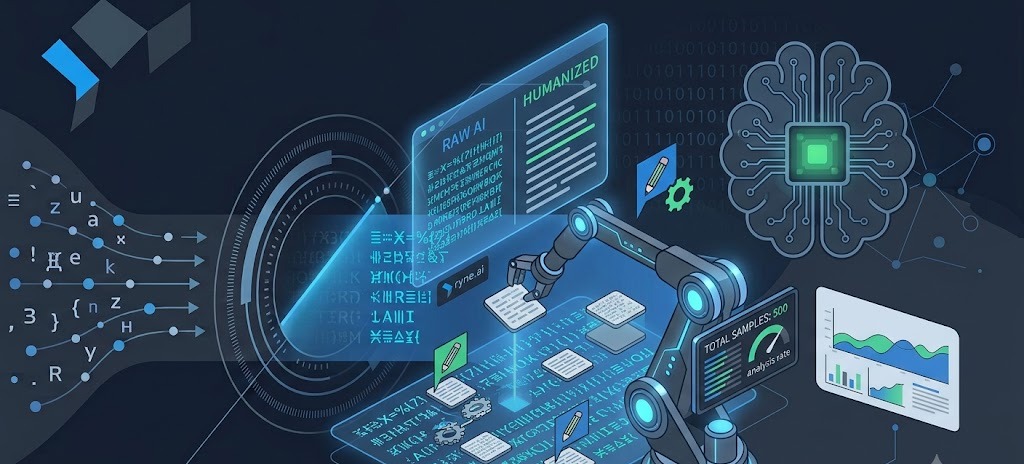
Starting mid-sentence, odd rhythms often tip off the system. Patterns typical of artificial text get flagged fast. Unusual word choices slow down confidence in human origin.
Flow between lines matters just as much as individual phrasing. Probability models weigh each phrase differently. Repetition lowers the chance it was written by a person. A final judgment comes after scanning structure and logic together.
Now it's tough to tell who wrote what - people or machines - as artificial intelligence grows sharper each day. Because today’s software mixes up phrasing and mimics speech so well, telling the difference trips up even the newest detection systems regularly.
Who Uses ZeroGPT?
Some folks turn to ZeroGPT just to see if text feels human. When teachers look over student work, they’re often checking for originality and academic integrity.
Editors might peek at blog submissions before saying yes. Companies hiring outside writers sometimes test what gets handed in.
Many content creators and writers themselves run their drafts through it now and then. Not having to pay helps - especially when someone wants answers fast but doesn’t want to sign up for costly tools.
ZeroGPT Functionality in 2026
Testing shows it works - just not always. When articles are clearly machine-made and barely touched, ZeroGPT catches them fast. Yet once people rework the text, its success rate drops sharply.
This problem shows up everywhere, not just ZeroGPT. All current detectors struggle since new AI writers create text that flows like real people. Because of this shift, scores work better as clues instead of hard truths. So if you're asking does ZeroGPT work, the answer is yes—but with limitations.
AI Detection Gets Harder Over Time
Back then, artificial intelligence would spit out sentences again and again in nearly identical shapes - simple to spot. These days? Output slips through with rhythm, shifts in word choice, a chat-like ease, blurring where machines stop and people begin.
When styles blur, real human work might get flagged as machine-made - especially if it's tidy or follows strict formats. That mistaken match raises false positives more often than expected.
Our Testing Methodology
For checking if ZeroGPT works, our team ran tests on five hundred handpicked examples across varied writing types. From news pieces to school papers, each sample came from actual usage scenarios.
Some were crafted by people; others contained pure AI generated content. A few passages started as artificial output then adjusted later to humanize AI text.
Website content showed up too - ads, company reports, short write-ups - all mixed in without pattern. Realism mattered most when choosing what went into the analysis.
One by one, every sample went through ZeroGPT for testing. Its detection score showed up first, then came how the tool labeled it - AI or human - and finally, how steady those judgments felt across tries. This approach gave us a clearer picture of the tool's overall accuracy rate.
ZeroGPT Accuracy Results
Looking at all 500 samples, ZeroGPT handled clearly machine-made text quite well. Articles produced straight from AI tools got strong detection signals, standing out without much trouble.
Yet things shifted once edits entered the picture - performance wavered when altered AI content came up for review. Real human work sometimes slipped through labeled as artificial, showing clear limits.
So while it can help sort likely AI drafts, relying on it alone misses the bigger picture every time.
Human Written Content
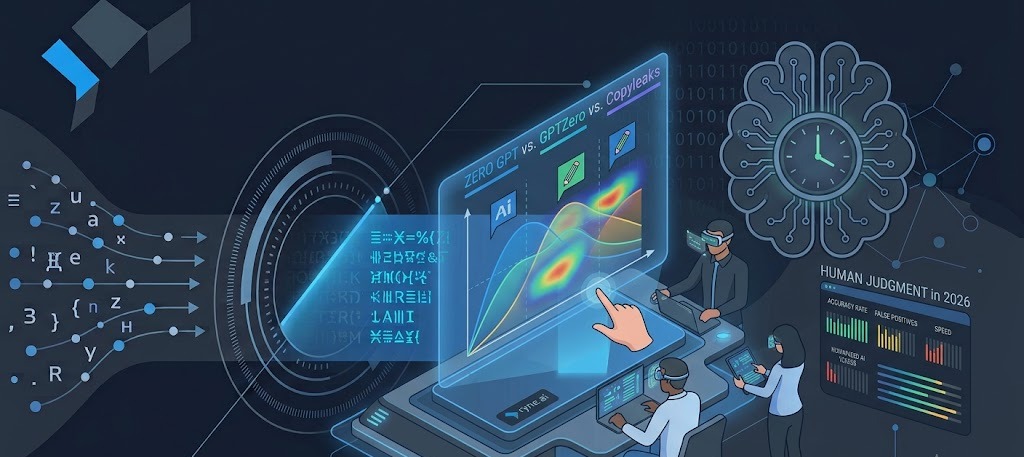
Not all human-penned pieces showed up as fully authentic - some slipped through the cracks. Blog entries refined by editors, scholarly write-ups, even detailed manuals sometimes carried a hint of artificial origin on ZeroGPT. These false positives appeared more when sentences flowed too smoothly or followed strict rules.
AI-Generated Content
Most of the time, ZeroGPT spots AI generated content fast - especially when it’s untouched. Straight-from-the-model pieces often carry traces like repeated word choices or robotic rhythm between lines. High certainty came up again and again during testing. Its overall accuracy rate remained strong for raw AI output.
Humanized AI Content
Harder cases came from AI writing that someone had changed by hand. After shifting sentences around, cutting repeated phrases, and slipping in fresh illustrations, spotting bots got much tougher. A few altered pieces slipped through as nearly all human. This shows that attempts to humanize AI text can reduce detection success.
False Positives Explained
Most tools struggle with mistakes that flag real people's work as fake. ZeroGPT faces the same issue. When a system thinks human words came from software, it’s called a false positive. These slips showed up most in school papers, manuals, or polished pieces using stiff, uniform phrasing.
Common Causes of Incorrect Detection
Wrong AI flags happen more when text repeats itself at the start of sentences. Professional work often uses tight structure and clean grammar, yet gets flagged anyway because machines notice patterns, not intent.
Machines miss context. So decisions ought to stay with people, using tools like ZeroGPT only as helpers, never sole judges.
ZeroGPT Compared to Other AI Detection Tools
Some tools challenge ZeroGPT by guessing AI use through unique math tricks. Not one gets it right every time, yet seeing what each does well guides better picks.
ZeroGPT vs GPTZero
Some teachers rely on GPTZero because it checks how complex and varied writing looks. During tests, it performed about the same as ZeroGPT. Sometimes, GPTZero flagged fewer mistakes in lengthy pieces. Meanwhile, ZeroGPT responded quicker and felt simpler to navigate.
ZeroGPT vs Copyleaks
Most of the time, Copyleaks handled lengthy texts and rewritten AI material with steady accuracy. Detailed breakdowns make it useful for schools or companies. Still, ZeroGPT holds its ground when speed and access matter most.
ZeroGPT vs Turnitin
Schools often choose Turnitin because it pairs AI spotting with a built-in plagiarism checker. Though it gives teachers extra insights, real people should still decide what the AI results mean.
Can You Bypass ZeroGPT?
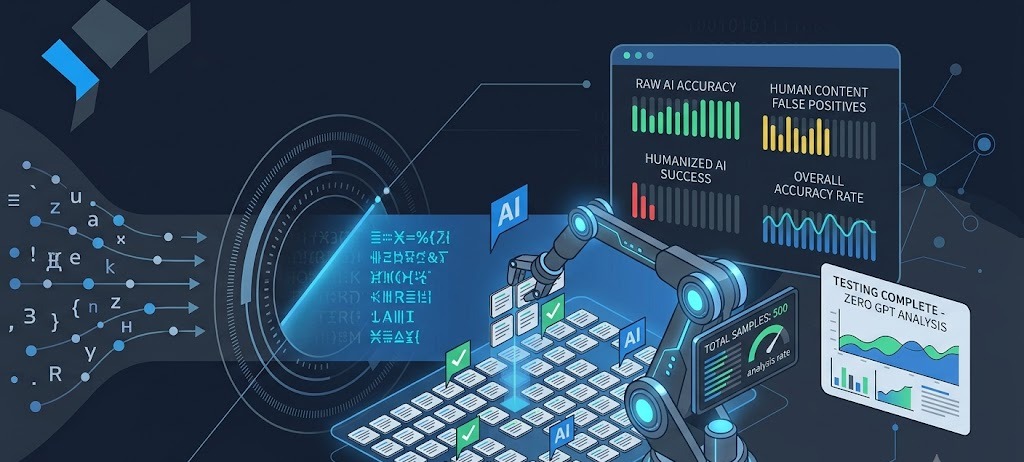
Some people look for ways to bypass AI detection, yet none work perfectly all the time. Testing revealed that untouched machine-written text gets caught easily, whereas carefully revised pieces slip through more often. Blending AI output with your own ideas, examples, and writing style improves naturalness, but no method guarantees success.
ZeroGPT Advantages and Drawbacks
| ✅ Pros | ❌ Cons |
|---|---|
| No installation required. | False positives still occur. |
| Produces results within seconds. | Less accurate with edited AI text. |
| Spots most raw AI-written text accurately. | Detection scores are not proof of AI authorship. |
| Useful for bloggers, teachers, businesses, and content creators. | Results vary depending on writing style and document length. |
| Supports many writing formats. |
Free AI detector worth using?
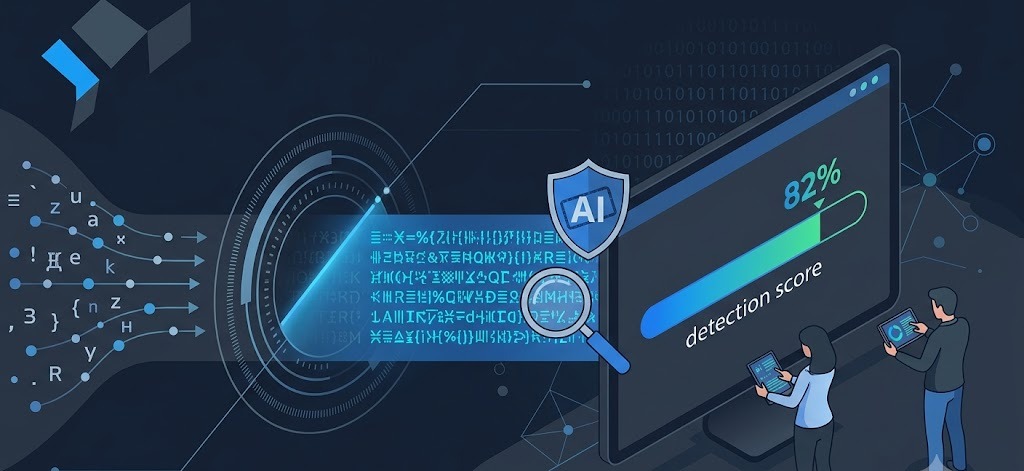
Most folks find ZeroGPT handy when they need speed. A free version sits ready for instant tests on any snippet. When machine-made phrasing jumps out, it tends to catch those cases just fine. Quick glance? Done before you blink.
Even so, understanding what it can’t do is key. A high result might hint at artificial origins - yet that alone confirms nothing. See a low score? That does not mean a person wrote it, either.
When used for studies, articles, or professional work, pair ZeroGPT with thorough revisions, verification of details, and a solid tool to detect copied material.
Who Should Use ZeroGPT?
Most folks begin by skimming through their text - ZeroGPT shows where AI might have pitched in. Writers who post online check drafts this way; learners go over essays line by line. People handling content often peek under the surface of what they receive. When doubt hits, remember: ZeroGPT leans more helper than verdict giver.
Something slips past one tool could show up on another. Mix ZeroGPT with GPTZero, Copyleaks, or Turnitin to see more clearly. Instead of relying on just one check, using several gives a fuller picture.
Conclusion
Right now, in 2026, ZeroGPT still manages to catch fully automated AI text that hasn’t been changed much. After running through 500 examples, its performance stays consistent in many cases - yet errors happen.
Does it do what it claims? It does, particularly on untouched machine-generated writing, even if flaws remain. Real people's words sometimes get flagged wrongly, whereas AI pieces reworked a lot might avoid detection.
Early on, ZeroGPT helps students, editors, marketers, yet anyone creating content spot potential issues before they go further. Human eyes matter just as much, especially when combined with a dependable tool that checks for copied material alongside it.
FAQs
1. ZeroGPT Detection of ChatGPT Content?
True. ZeroGPT usually spots articles written by ChatGPT, yet those that have been significantly altered can slip through. While detection works most times, changes made after generation tend to confuse the system.
2. ZeroGPT versus GPTZero which one is more accurate?
One works much like the other. When it comes to school papers, GPTZero might do a bit better here and there; on the flip side, ZeroGPT moves quicker and feels simpler in practice.
3. ZeroGPT detection of humanized AI text?
It happens now and then. When words feel like they come from a person, spotting machine-made writing gets harder.
4. Students Using ZeroGPT?
True. Learners might look at it when going over work they’ve done. Yet the outcome must always stay just one piece of context, not proof on its own.
5. Is depending solely on ZeroGPT wise for those making content?
Wrong. Mixing ZeroGPT with hand-edited revisions, verifying sources, alongside a solid tool that spots copied content leads to better results - clearer, authentic output. Quality grows when tools team up with human review.


Sapling AI Detector Review 2026: How Hard Is It to Bypass?
Discover our Sapling AI Detector Review 2026. Learn how it works, features, pros and cons, and whether you can bypass AI detection using an AI text humanizer.

Copyleaks AI Detector Review 2026: Can It Be Beaten in 2026?
Read our Copyleaks AI Detector Review 2026 to see if it can be beaten. Explore accuracy tests, key features, and how it compares to GPTZero and Originality AI.