


StealthGPT Review 2026: Honest Test by a Real User

Out of nowhere, artificial intelligence began reshaping how people create written work. Minutes now replace what used to take many long hours of digging, drafting, then revising. Instead of doing everything by hand, bloggers, marketers, students, agencies, and business owners turn to smart software.
Even so, every time AI gets better at writing, detectors catch up just as fast. Tools like GPTZero, Originality AI, Copyleaks, and Turnitin keep sharpening their skills spotting machine-made text. More people now want software that makes artificial intelligence writing feel less robotic.
For this StealthGPT Review, I tested StealthGPT firsthand and checked how well it performs in real situations during 2026.
What Is StealthGPT?
Platform Overview
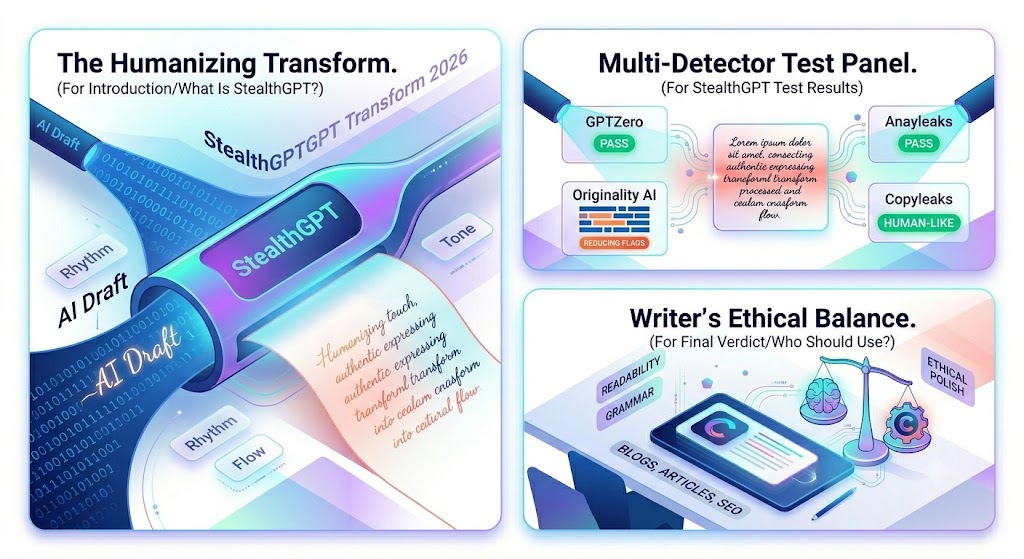
What if a tool could take robotic text and shape it into something people might actually write? That idea drives StealthGPT - built to reshape how artificial intelligence words look on paper. Instead of swapping terms like a dictionary shuffle, it twists whole phrases around.
Meaning stays put, yet the rhythm changes, almost like thought unfolding naturally. Imagine turning stiff drafts into smooth narratives, whether they’re articles, web pages, school reports, or promotions. Its purpose? To slip past software scanners trained to spot non-human writing. Behind every rewritten line lies one aim: blur the edge between what machines generate and what humans produce.
Who Created StealthGPT?
Out there among fresh tools, a new kind of helper showed up when spotting machine-made words got too sharp. Writers started struggling once scanners could easily tell artificial prose apart. That is where something like StealthGPT stepped in - not by rewriting everything, but by smoothing out what's already written.
Instead of going head-to-head with generators, it slips quietly beneath them, adjusting tone and flow just enough. People who type for pay, school, or campaigns began noticing how it shapes robotic lines into something softer. Its quiet role made it stick around longer than flashier options. From solo bloggers to teams managing brand voices, many now lean on its subtle touch.
Main Purpose of the Tool
StealthGPT works by reshaping AI generated content so it feels more like something a person would say. Instead of sticking to rigid formats, it mixes up how sentences begin, stretch, pause, then close. Patterns that scream "this was made by software" get softened through subtle shifts in rhythm and word choice.
Think of it as smoothing rough edges without losing what the words mean. Its goal isn’t just swapping phrases - it helps users bypass AI detection while avoiding detection by tools trained to spot artificial phrasing. People using AI help when they write might turn to this right before hitting publish, just to add one last quiet polish.
How StealthGPT Works
AI Text Humanizer Technology
Starting with how words flow, StealthGPT digs into machine-made text to spot what gives it away. What stands out? Phrases that repeat, wording that follows a set path, shifts between ideas that feel stiff.
After catching those signs, the tool reshapes sentences - mixing lengths, switching up rhythm. Out comes something looser, closer to how people actually write when they’re not machines. It reads like someone just sat down and typed, nothing forced, nothing too neat. This AI text humanizer approach is one of the reasons many users try the platform.
Content Rewriting Process
Starting off, someone drops AI-made text into the tool. Right after, analysis kicks in - focusing on how sentences connect, what surrounds them, their shape and rhythm.
Rather than changing just words, changes go beneath, shifting how ideas link across lines. Meaning stays intact even as the machine-like traces fade out slowly. Often, readers find the new version flows better, reads easier compared to robotic drafts made at first. Unlike a simple AI paraphrasing tool, the system focuses on deeper structural changes.
Stealth Bypass Mechanisms
What stands out most about this platform is how it handles stealth bypass techniques. Instead of following a fixed pattern, the system changes up sentence lengths, shifts tones unexpectedly, yet keeps flow smooth.
This mix works to dodge typical markers found by an AI content detector. Though nothing evades every checker flawlessly, the method targets weak spots detectors often rely on. Results may differ slightly depending on which tool checks the output. Detection gaps shrink when writing feels less robotic, more like human thought unfolding.
StealthGPT Features Hidden Tools That Avoid Detection
AI Content Humanization
What stands out most is how it makes AI words feel like they came from a person. Instead of just swapping phrases, it reorders sentences and reshapes whole paragraphs. That shift builds flow closer to how people actually write. When avoiding detection matters, this becomes the main reason someone might choose it.
Built-In Content Generation
One thing leads to another inside StealthGPT - writing fixes come first, then fresh content generation appears just as easily. Articles show up alongside blogs, product write-ups sit next to promotional words, all built right where you started. Jumping from app to app fades away because everything sticks close together here. The whole process moves smoother when pieces fit without help.
Multiple Writing Modes
One way to look at StealthGPT is through its variety of writing styles. For serious reports, a more relaxed online post, promotional text, or school-level papers, it adapts easily. Each setting shifts how ideas come across, matching reader needs without extra effort. With these tools, shaping the message fits where it will appear.
SEO Optimization Support
Writers who care about Google results might like how the system handles SEO optimization. Often, it keeps main phrases intact even when smoothing out sentences. That matters since changing too much may dilute key terms. StealthGPT tries staying close to original wording while sounding more natural.
How I Test Things in Real Life
Test Setup
One test began with articles made by common AI tools. Topics appeared at random - some about tech, others on schools or money matters. Each draft got run through StealthGPT without skipping a step.
Then came side-by-side looks: original next to altered. Was the machine fingerprint quieter now? Did meaning stay clear? That balance shaped the real question behind it all. A major goal of this StealthGPT Review was to see whether StealthGPT does it work against modern AI detection systems and help users beat AI detectors more effectively.
Tools That Detect AI
- GPTZero: Still well known, GPTZero zeroes in on how predictable language looks and how sentences flow. Its reputation means beating it matters when testing if AI text feels human. That kind of result gets attention simply because so many rely on this tool already.
- Originality AI: Writers at publishing houses often turn to Originality AI, finding its sharp eye hard to slip past. Tougher than most tools, the software uses tight rules that catch subtle issues - agencies and search experts notice right away.
- Copyleaks: From the start, Copyleaks mixes checking for copied text with smart software that digs deeper. Its reputation grew because it shows exactly where matches appear, even when wording shifts between forms of expression.
- Turnitin: These days, schools still rely on Turnitin a lot. Worried about being flagged by its AI scanner, plenty of students keep it top of mind when checking their work.
StealthGPT Test Results
Performance Against GPTZero
Most times, the reworked content slipped past GPTZero more easily than untouched AI output. After running through StealthGPT, detection numbers tended to drop - sometimes by a lot.
Sentences felt looser, less robotic, with rhythms that didn’t follow expected patterns. That shift seemed to mask machine origins better. Even though outcomes shifted based on how dense the original material was, gains were clear across the board. Worth noting: it wasn’t perfect, but definitely useful.
Performance Against Originality AI
Harder to beat, Originality AI kept catching some rewrites. Even if scores dipped below the initial ones, alarms sometimes still went off.
That means StealthGPT might lower chances of being flagged - just not always. Stricter detectors could still spot traces, so relying on it fully isn’t wise. Think of it like a shield that helps, yet won’t block every hit.
Performance Against Copyleaks
Now and then, Copyleaks got a bit sharper once the text was reworked. Human-like versions slipped through more smoothly, feeling less robotic, which helped reduce detection odds.
Results weren’t always consistent, yet it still edged out basic rewriting software in most runs. Sometimes subtle shifts made all the difference.
Performance Against Turnitin
Even though Turnitin is still a major hurdle for AI-generated work, StealthGPT made some texts feel more human and less robotic during trials.
Still, how well it worked changed based on how hard the subject was or how good the original sources were. While the tool offered support, there were cases where signs of artificial writing stayed visible regardless. Success wasn’t guaranteed across all assignments or formats.
Content Quality Analysis
Readability
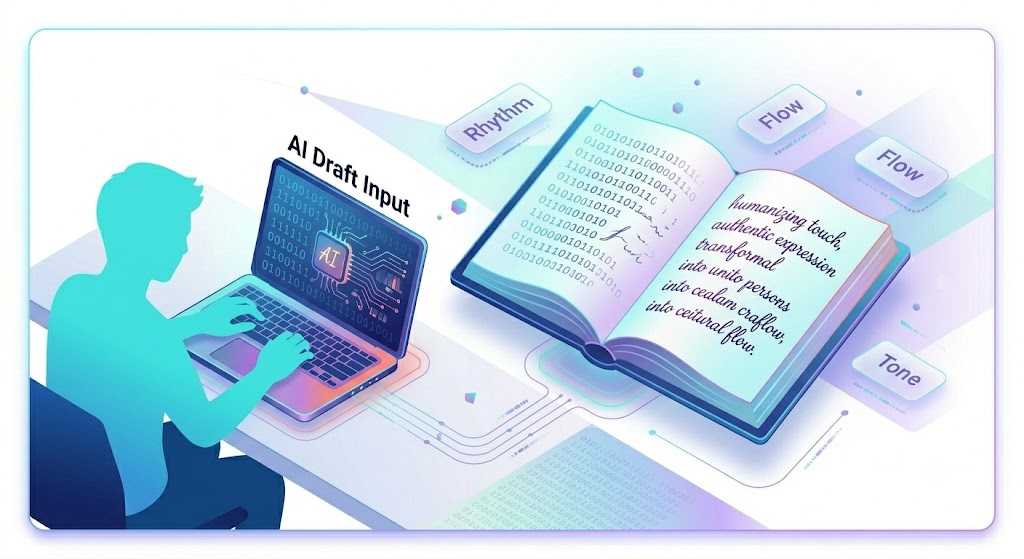
What stood out about StealthGPT? How clearly it wrote. While some tools twist sentences into odd shapes, this one kept things flowing without hiccups. Reading through pieces felt less like work thanks to its natural rhythm. People actually wanted to keep going instead of tuning out.
Grammar and Structure
Even during tough tests, grammar stayed solid. Rewritten pieces mostly kept clear sentences, correct stops, yet needed small tweaks now then - far fewer fixes than what others demand though. Smooth flow held up well. Mistakes popped up once a while. Less hands-on work stood out against similar options.
Human-Like Flow
Flow got better, maybe the best change. Words repeated less, sounded more like talking. Mixing short and long sentences helped, along with smooth links between ideas.
That pace made it feel real, almost like a person wrote it. Readers stayed tuned in longer, simply because it moved naturally from one thought to the next.
Pricing Models Explained
Free Plan
Trying out StealthGPT without paying gives you basic features for a short time. You get to see how well it works before spending money. Big tasks might hit walls though, since free use does not go far.
Paid Plans
Starting at the basics, one size doesn’t fit all when it comes to how people use the service. Some go light - opting for simpler options that match occasional use.
Others, like teams or creators building often, lean into heavier setups because they push more through. Bigger plans tend to come with room to grow: faster speeds, longer runs, extra tools tucked in. What you get grows as usage climbs.
Value for Money
For those putting out AI-written posts often, the cost makes sense when you factor in how much faster it gets done. Quality tends to go up too, which helps justify what you pay. When tools mix content creation, making text sound natural, and boosting search engine performance, the price tag feels fair. Among competing pricing models, StealthGPT remains attractive for frequent users.
Pros and Cons
Most benefits come from clear text flow, a natural-sounding tone, different styles to pick from, while also building content right inside the system. Getting started feels smooth enough, with outputs clearly better than basic AI drafts. Still, when tested on high-end detection software, outcomes jump around without warning. Every tool hits limits facing today's smartest detectors - this one does too.
| ✅ Pros | ❌ Cons |
|---|---|
| Clear text flow | Outcomes jump around without warning when tested on high-end detection software |
| Natural-sounding tone | Hits limits facing today's smartest detectors |
| Different styles to pick from | |
| Building content right inside the system | |
| Smooth getting started process | |
| Outputs clearly better than basic AI drafts |
Who Should Use StealthGPT?
Most people using StealthGPT are bloggers or folks in marketing, SEO, freelance work, agencies, or creating online material often made by artificial intelligence. Besides that, anyone needing a smarter way to rephrase text might find it useful - especially when aiming to humanize AI text and create smoother content.
While some may hope it dodges detection every time, outcomes vary; better results come from focusing on how well the writing reads instead. People paying attention to clarity and natural tone tend to get more out of what it offers.
Alternatives to StealthGPT
Not every AI humanizer works the same way. One might twist sentences hard, another tries to slip past bots unnoticed. Strengths differ - some keep things clear, others nail precision or dodge flags better.
Worth looking at a few since results shift depending on what you write, how it's said, or where it lands. What fits one task could flop in another.
StealthGPT Review: Value in 2026?
Most people find it works well. Readability gets a clear boost, so does how smoothly ideas connect throughout the piece. Even if beating each detection tool isn’t certain, results still go beyond what standard rewording tools offer.
Instead of just swapping words, it shapes new content, adds natural tone, also keeps search engine needs in mind. Writers who want solid output fast tend to stick with it.
For anyone asking, "StealthGPT does it work?", the answer depends on expectations. It can improve readability, reduce obvious AI patterns, and help content appear more natural, but no tool can guarantee perfect results against every detector.
Final Verdict
One step ahead in 2026, StealthGPT stands out among tools that reshape robotic-sounding text. With smooth adjustments, it turns stiff machine-written passages into something easier on the eyes. While beating every detector like GPTZero or Turnitin isn’t guaranteed - no tool manages that - it still lifts performance where it counts.
Writers who lean on AI find value here, especially those aiming to sound less artificial without heavy rewriting. Quality meets practicality, slipping under radar systems better than most. Because real readers matter, so does how words flow off the screen.
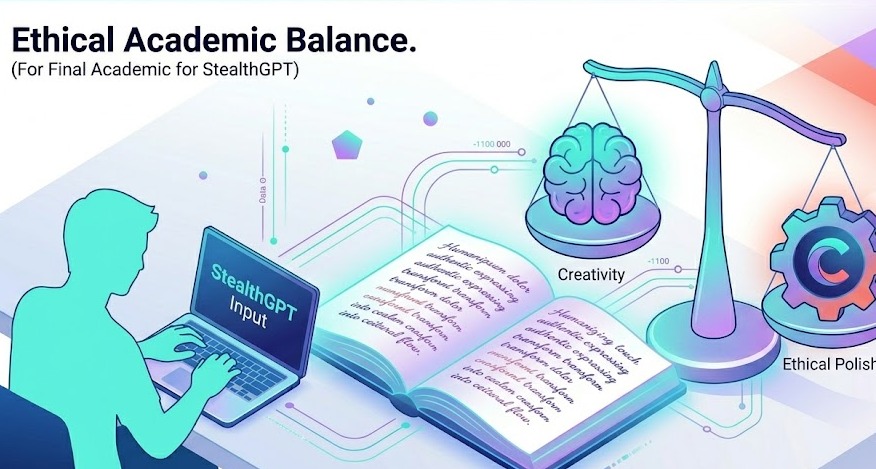
Based on this StealthGPT Review, the platform delivers stronger results than many standard rewriting tools while balancing readability, humanization, and usability. This StealthGPT Review also shows that success comes from improving content quality first rather than relying solely on detection avoidance.
FAQs
1. StealthGPT Effectiveness Questioned?
True, StealthGPT often makes text flow better while dialing down typical robotic phrasing. Still, how well it works can hinge on which detection tool checks it, along with how solid the starting draft was.
2. StealthGPT Versus AI Detection Tools?
Success isn’t automatic, no matter the software. Using StealthGPT might lower red flags - yet each system reacts differently. Results shift when facing GPTZero compared to Originality AI. One test may pass, another catches traces. Turnitin behaves unlike any of them. Detection patterns aren’t uniform, ever.
3. StealthGPT and AI Paraphrasing Explained?
Not just another tool that swaps words around. This one tears sentences apart, then builds them back differently - way beyond basic synonym switches. Unlike a standard AI paraphrasing tool, StealthGPT focuses on restructuring content while preserving meaning.
4. Can StealthGPT Bypass AI Detection Completely?
No tool can guarantee that it will completely bypass AI detection every time. StealthGPT helps reduce common patterns that AI detectors often flag, but results vary depending on the detector, content type, and writing style being analyzed.


Paraphraser.io vs Ryne AI: Which One Passes AI Detection Better?
Paraphraser.io vs Ryne AI: Which is the best AI humanizer tool in 2026? Check out our detailed comparison testing both options against GPTZero and Originality AI to see which tool creates truly undetectable AI content.

Spinbot vs AI Humanizers: Does Old-School Spinning Still Work in 2026?
Does old-school text spinning still work against modern detection? Discover the key differences between Spinbot vs AI Humanizers in 2026 and find out which tools produce the best readability, bypass AI detection, and create truly SEO friendly text.