


Spinbot vs AI Humanizers: Does Old-School Spinning Still Work in 2026?

Content creation looks nothing like it did just a few years back. Seconds replace hours, thanks to smart programs that rephrase text fast. Bloggers, marketers, even students and entrepreneurs - all want quality stuff made quicker. Demand pushes the best ai paraphrasing tools into the spotlight, sparking a race among digital helpers[cite: 2]. Still, with all these leaps forward, some wonder if basic spin methods survive by 2026[cite: 2].
Once a go-to choice, Spinbot built its reputation on quick word swaps and basic sentence changes. Easy to use, it required little thought, just clicks. Now, though, new AI tools reshape content with smarter, deeper adjustments. Instead of swapping terms, they mimic how people really write. With machines producing more ai generated content every day, spotting what's artificial gets harder[cite: 2]. Detection software evolves fast, pushing writers to adapt[cite: 2]. That shift makes knowing old tricks from real refinement critical[cite: 2]. Not all rewriting works the same anymore[cite: 2]. Some still shuffle words - others rebuild meaning[cite: 2].
What Is Spinbot?
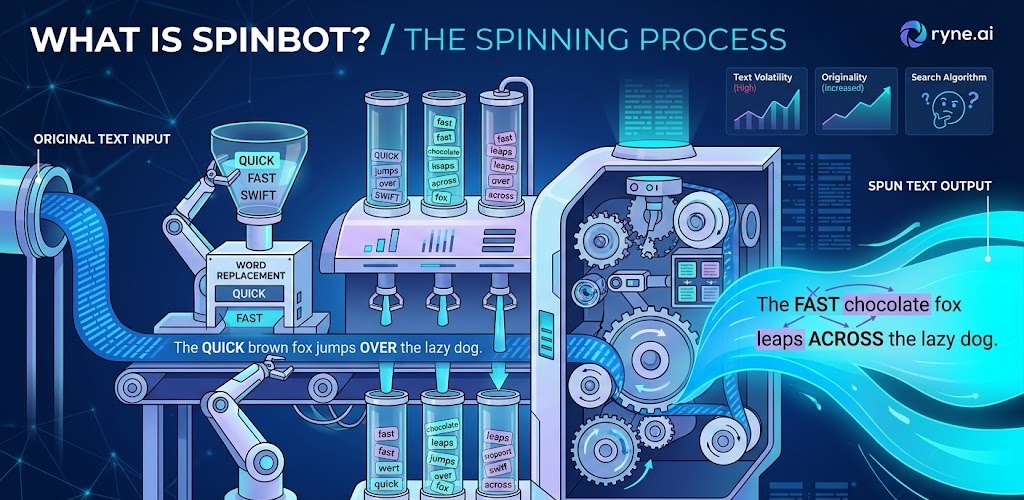
How Spinbot Works
Spinning text used to be a go-to move back when search engines weren’t too sharp. Spinbot does just that - swaps out words with similar ones, tweaks how sentences are built. Picture giving a car a new coat of color without touching what makes it run. On the outside, things seem fresh; underneath, everything stays identical. Search tools once had trouble spotting such copies. That made tricks like these fairly common in early online ranking games.
Spinbot Key Features
What helped Spinbot catch on? Plain ease of use stood out. Into a field people dropped their text, then got new versions fast - seconds flat. Zero know-how needed; that opened doors wide. A free tier meant no barrier to entry at all. Instead of grasping tone or meaning, it swapped words, flipped sentence shapes, and performed basic sentence rephrase functions[cite: 2]. Context awareness wasn’t part of the mix[cite: 2]. Most of the time, swapping words worked just fine before[cite: 2]. Lately though, what counts as good content has moved way past that kind of fix[cite: 2].
Why It Got Popular
Back then, websites cared more about how much they had than how good it was. With Spinbot showing up, pumping out reworded pages suddenly got easier. Instead of paying freelancers or typing all day, people could just run text through software. One version became ten, almost instantly. Odd as it sounds, this tool kicked off what later turned into smarter rewriting systems. What came next built right on top of its basic idea.
AI Humanizers Explained Simply
The Growth of Tools That Make AI Writing Sound More Like People
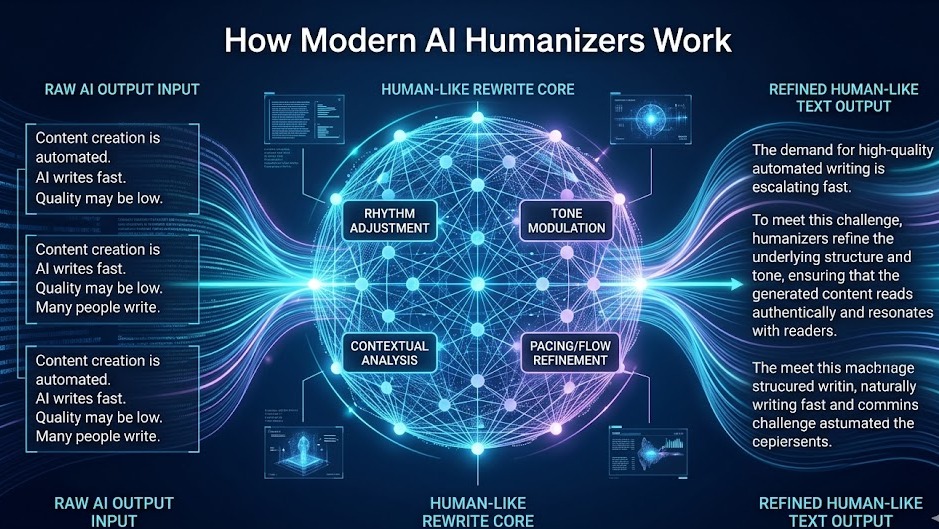
These tools reshape machine-made text so it reads like something a person would write. Starting with deeper analysis, they adjust rhythm, word choice, mood, and how smooth the sentences feel. What matters most is sounding real instead of stiff or predictable. When automated writing flooded websites, blogs, and emails, businesses began searching for better ways to soften its mechanical edge. Over time, demand grew sharply for software that could quietly refine artificial output into something more believable.
How Modern AI Humanizers Work
Most newer AI helpers build around smart systems trained to grasp intent, not only words. Because real talk flows unevenly, these programs study patterns in everyday speech to mirror them. A shift here might mean shorter lines; there, reworked phrasing or smoother links between thoughts. Instead of swapping terms randomly, they reshape rhythm without losing clarity. Edited pieces tend to sound less like robot output, more like something tightened by an experienced hand. A quality ai text humanizer focuses on context rather than simple word replacement[cite: 2].
Main Goals of Humanization Tools
Most folks turn to AI humanizers so their words feel less robotic. Because machines often repeat certain rhythms, these tools reshape sentences to flow like real speech. Some people use them simply to connect better with readers. Others find value in avoiding the flat, mechanical tone algorithms tend to generate. Over time, that subtle shift builds trust without drawing attention. Lately, more writers rely on them to humanize ai text when originality matters[cite: 2].
Spinbot Versus AI Humanizers: Key Differences
Tools and How They Work
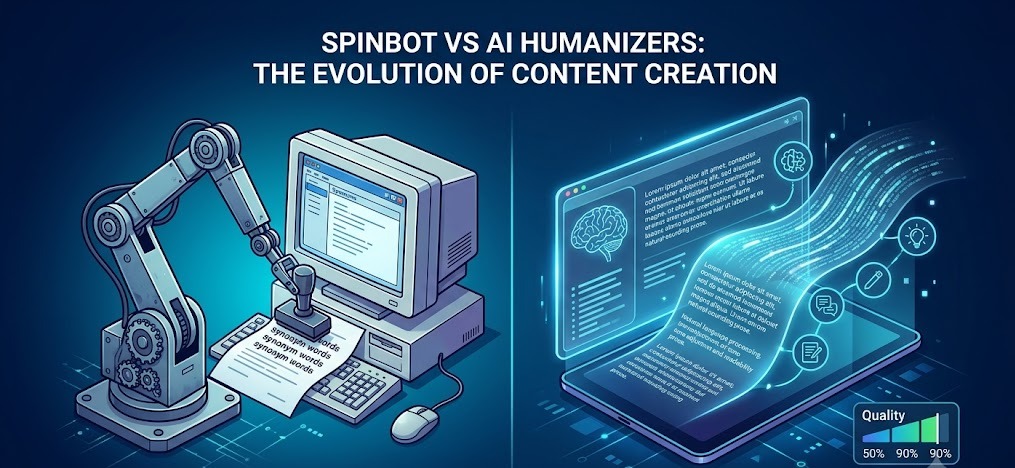
One thing stands out when you look closer - it's all about how they work. Instead of just swapping words, some tools actually grasp meaning before rewriting. Think of it like this: using old methods feels like turning knobs on a radio, whereas newer ones listen, adjust, then respond. One follows rigid steps. The other adapts as it goes. You might say one computes, while the second interprets. Not every upgrade shows at first glance.
Content Quality Comparison
What sets AI humanizers apart? It's their grasp of clean, natural output. Old-style rewording tools tend to create clunky sentences, odd expressions, mismatched rhythm. By contrast, modern AI-driven methods prioritize logical structure and clear meaning. The result reads like something a person would actually write - fluid, connected, effortless. Many of the best ai paraphrasing tools excel because they focus on context rather than substitution[cite: 2]. When it comes to work-grade material, the difference isn't slight - it defines performance[cite: 2].
User Experience and Efficiency
More people want tools that work well right away. Since the results need less fixing, AI humanizers usually cut down on effort. Content made by Spinbot often demands extra changes prior to going live. When speed matters, doing things quickly rarely means sacrificing standard.
Clear Simple Words, Calm Voice
Spinbot Rephrases Sentences by Changing Word Choice and Structure
Most times, the flow breaks because word swaps ignore how people actually speak. A new version appears different but carries awkward phrasing underneath. Instead of smooth reading, it stumbles through strange wording choices. This happens since adjustments rarely consider context or meaning behind sentences. Even slight restructuring fails to hide its robotic origin clearly.
AI Humanizers Adjust How Text Feels and Flows
Reading feels easier when words flow naturally. Because machines learn patterns, they adjust how things sound - sometimes casual, sometimes serious. One moment it fits a classroom paper, next time a business report. When context shifts, the wording changes too without breaking rhythm. Start to finish, nothing jars the eye or trips the mind. This improvement in readability and tone is one reason why users prefer the best ai paraphrasing tools available today[cite: 2].
AI Detection Struggles Grow More Complex by 2026
AI Detection Tools Improve Over Time
Still changing fast, AI spotting tech digs into how words flow, how sentences build up, along with odd hints in speech style to catch computer-made text. Writers now wrestle with making work sound real instead of stitched by code, thanks to sharper software sniffing out fakes. Pressure mounts when every phrase gets scanned for robotic fingerprints hidden in plain sight.
Can Spinbot Beat AI Detection?
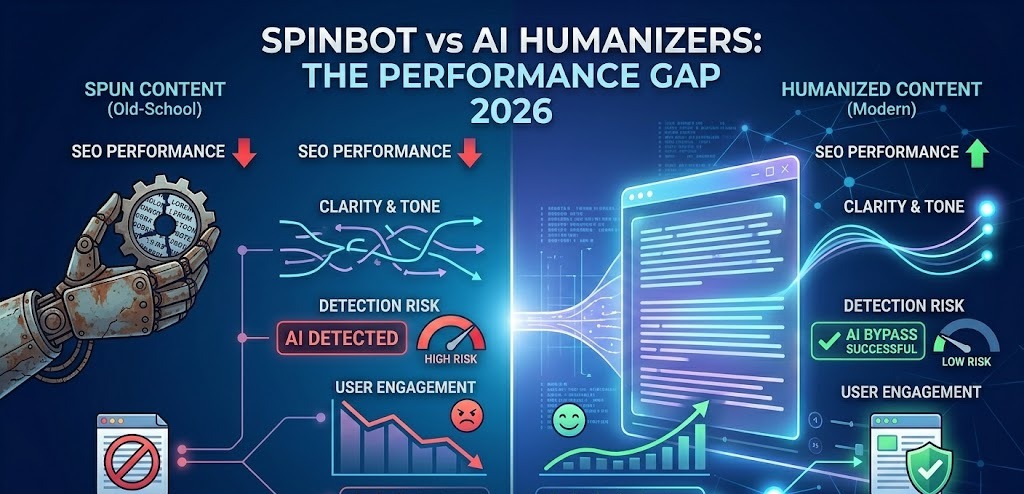
Most basic rewording tricks fail when facing today’s advanced tools. Swapping out terms won’t hide the structure those programs look for. Odd phrasing from spinning can stand out more, actually drawing attention. Depending only on outdated rewriting tactics now carries bigger chances of being flagged.
AI Humanizers and Detection Bypass Effectiveness
Most people today find that real human touch works best since it changes how things feel underneath. Instead of swapping out single terms, these methods shift flow, pacing, even voice. Success still isn’t certain, yet smarter rewriting approaches tend to bypass ai detection more effectively than basic rewording tools[cite: 2]. The outcome depends on depth, not just surface tweaks[cite: 2].
SEO Performance Comparison
Spinbot and SEO Friendly Text
Most people skip pages that feel robotic, even if the words are new. Machines now notice when sentences stumble or bore readers. Freshness without clarity fails just as fast as copied work. What sticks gets shared, what confuses gets ignored. Clever code reads like a person, not a script.
AI Rewriting Improves Search Visibility
Most people skip poorly written pages fast - clarity keeps them staying. A fresh take on AI rewriting sharpens how ideas flow, which shapes up both layout and ease of use. When sentences make sense without effort, visitors tend to stick around more, respond better, less doubt shows up too. Search engines notice those patterns, rewarding steady quality over time. Tools that produce seo friendly text and work as an advanced ai rewriter often outlast quick fixes in ranking games[cite: 2].
Academic Writing and Professional Content
Risks With Old Style Spinners
Most times, getting facts right in school papers really counts. When old-style rewording slips up, ideas get twisted, sentences turn messy. Because of that mess, such methods work poorly when exactness is key - think studies, official write-ups, serious notes. Clear expression? That takes more than swapping words.
Modern AI Paraphrasing Tools Offer Speed, Accuracy, and Consistency
Starting fresh each time, today’s smart rewriting tools grasp context more accurately than before. Because of this, rewritten text keeps its original sense without losing clarity. People involved in academic writing, research, or detail-heavy professions often rely on the best ai paraphrasing tools for dependable results[cite: 2]. Their trustworthiness makes handling written tasks less stressful[cite: 2].
Which Tool Produces Original Output?
Spinbot’s Approach
Word swaps are how Spinbot tries to make fresh content. Though duplicates might drop, the result still isn’t fully original in every case. Phrases can sound too much alike, even with different words swapped in. Structure often stays close to the source, which causes issues now and then.
AI Humanizer Approach
Most times, AI tools that make text sound human go further than basic edits. Because they adjust how sentences unfold, their output reads like it was written fresh. When standing out matters, these changes tend to work better. The way ideas connect ends up feeling less copied and closer to plagiarism free output[cite: 2].
Pricing Levels and Cost Effectiveness
Free Paraphrasing Tools
Most people try free paraphrasing tools just to avoid spending money right away[cite: 2]. What made Spinbot stand out was giving that service at no cost[cite: 2]. Yet these zero-price options tend to restrict how good, flexible, or plentiful the results can be[cite: 2].
Premium AI Humanizers
Most high-end AI rewriters come packed with smart editing options, personal tweaks, better results. Paying a fee might be needed, yet those who write often tend to gain more over time.
Cost Versus Quality Review
Pricing choices usually depend on what you want to achieve. A free option could work just fine when only light rewrites are needed now and then. Those running companies, handling promotions, or producing content regularly tend to gain more by choosing advanced AI tools that make text sound natural. Comparing available pricing tiers often helps determine long-term value.
| ✅ Pros | ❌ Cons |
|---|---|
| Free options work fine for occasional light rewrites | Free options restrict quality, flexibility, and output volume |
| Premium tools provide smart editing options and personal tweaks | Premium tools require paying a fee |
| Advanced tools offer better results and long-term value for regular creators |
Why Content Creators Shift to AI That Feels More Human
Better Engagement
Most people today prefer writing that sounds real, not robotic. When words flow like a conversation, attention sticks around. That connection? It grows when text breathes instead of pushes. Machines can mimic it - patching phrases until they hum with warmth. Readers notice the difference even if they cannot name it. Engagement climbs without flashing signals or loud claims.
Improved Content Flow
Start strong when ideas link naturally, that is where good writing shows up. A steady rhythm in sentences keeps readers moving forward without noticing the effort behind it. What matters most appears quietly - clarity grows when each thought leads gently into the next. Enjoyment sneaks in when structure feels like conversation, not work.
Human-Like Writing Results
What stands out most? The way it writes like a real person. Because of that, content creators can come across as trustworthy. Their message lands better. Readers believe them more easily.
AI Paraphrasing Tools Worth Considering in 2026
What to Check For
Start by checking how well an ai paraphrasing tool grasps meaning across different contexts[cite: 2]. Tone adjustment matters just as much, especially when shifting styles feels natural[cite: 2]. Readability gains show up in smoother sentences that keep original intent intact[cite: 2]. Less detectable copying comes down to smart rewording, not random swaps[cite: 2]. What makes today's best ai paraphrasing tools stand apart is their ability to sound like real people without losing clarity[cite: 2].
Finding Another Tool Like QuillBot
Most people hunting for a quillbot alternative want it to sound more human[cite: 2]. A good pick needs to dodge AI detectors well[cite: 2]. Smooth writing matters just as much as ease of use[cite: 2]. Price plays a big role too[cite: 2]. Content ought to flow without feeling robotic[cite: 2]. What stands out is how real it feels when you read it[cite: 2].
Old School Spinning in 2026?
Spinning by old methods works only sometimes now, mostly for basic rewrites. Still, it doesn’t hold up well anymore - standards have shifted too much. What people want in content, how search engines judge it, along with detection tech, keep moving forward.
Tools such as Spinbot fall short since they swap words without fixing structure or meaning. Instead of just replacing terms, AI humanizers reshape sentences completely. These newer tools bring clearer flow, feel more natural, connect better with readers. They adjust easily to different tones, purposes, audiences. Most individuals, particularly those working seriously or running companies, find the best ai paraphrasing tools actually useful[cite: 2]. The gap between outdated tricks and smart rewriting keeps widening[cite: 2].
Conclusion
Spinning tools once ruled the rewrite game, yet now they face tougher competition. Though Spinbot helped shape early automation, today’s needs push past its limits. What works in 2026 leans on smarter systems, not just word swaps. Modern AI rewriters craft smoother sentences, sound more like people, and keep meaning intact.
Instead of robotic phrasing, these tools offer clarity, flow, and originality that feels authentic. Plagiarism slips fade when language gets rebuilt thoughtfully. Readers stay hooked because text reads naturally, even after changes. Search engines respond well to clean, coherent structure too. Even so, basic spinners still exist - just not at the front line anymore. Progress has shifted toward intelligence, where context matters more than ever. That is why many writers continue adopting the best ai paraphrasing tools rather than relying on traditional spinning methods[cite: 2].
FAQs
1. Is Spinbot still relevant in 2026?
True, Spinbot manages simple rewrites. Yet when stacked against today’s AI tools that mimic natural speech, its output feels off - clunky, less clear. Modern options flow better. They adapt more smoothly to how people actually write. Results show the gap clearly.
2. What makes AI humanizers different from traditional spinners?
What sets AI humanizers apart is their grasp of how ideas connect, the mood of the message, and how sentences lead into one another. Older tools just swap out words here and there, adjusting a phrase now and then without really getting the meaning behind them.
3. Can AI Humanizers Help Bypass AI Detection?
Some tools that adjust AI-written text work by softening robotic phrasing - often outdoing old-style rewording software. Yet staying under radar detectors isn’t something any program promises. While they tweak output to feel more natural, beating automated checks remains uncertain.
4. Do AI Humanizers Improve SEO Content?
True, these often lead to clearer writing that holds attention, flows naturally, while meeting today’s search engine standards more closely.
5. What Works Best for Professional Content Creators?
Most pros who make content see stronger results using smarter AI tools that polish writing until it flows easier. Quality shifts up when tone fits readers tighter, pulling them deeper without trying too hard. Smoother words arrive through upgrades these systems offer beyond basic fixes. Engagement climbs once the voice feels less like code, more like conversation meant for real people.


StealthGPT Review 2026: Honest Test by a Real User
Is StealthGPT worth it in 2026? Read our honest, real-user StealthGPT Review exploring its AI text humanizer performance against GPTZero, Originality AI, and Turnitin.

Humanize.pro Review 2026: Premium Price, Premium Results?
Is Humanize.pro worth the premium price tag in 2026? Read our detailed HumanizeAI Pro Review to discover how this advanced AI text humanizer performs against GPTZero, Originality AI, and Turnitin while delivering SEO-friendly, plagiarism-free content.