


10 Best AI Humanizers in 2026: Tested & Ranked

You ran your AI text through a detector, saw the red flag, and now you need a fix. That is why you are here. The problem is that most AI humanizer tools produce output that still gets caught — or worse, destroys the meaning of your writing in the process.
We tested 10 of the most popular AI humanizers head-to-head against Turnitin, GPTZero, Originality.ai, and Copyleaks. No sponsorships influenced the rankings. No tools paid to be on this list. Just raw detection results, output quality assessments, and honest evaluations based on what each tool actually delivers when you paste in AI text and hit "humanize."
Try Ryne's Free AI Humanizer— 250 words, no card needed.
Why AI Humanizers Exist in the First Place
AI detectors analyze writing for statistical patterns. AI-generated text has low "perplexity" (predictable word choices) and low "burstiness" (uniform sentence length and structure). Humans write messily — long sentences crashing into short ones, unexpected vocabulary, natural imperfections. Detectors exploit the difference.
An AI humanizer rewrites text to disrupt those patterns. The good ones restructure sentences, vary rhythm, and introduce the kind of organic inconsistencies that mirror real human writing. The bad ones swap synonyms and call it a day.
The need for these tools goes beyond just "beating detectors," though. A 2023 study by Liang et al. at Stanford University, published in Patterns, proved that GPT detectors are systematically biased against non-native English speakers. Their writing — simpler vocabulary, more uniform structure — triggers false positives at alarming rates. AI humanizers protect these users from being wrongly accused.
Separately, Weber-Wulff et al. (2023) tested 14 detection tools and found none were "accurate or reliable." False positives on genuine human writing were common. So even if you wrote every word yourself, you might need a tool to humanize the text just to prove it is yours. That is the broken system we are working with.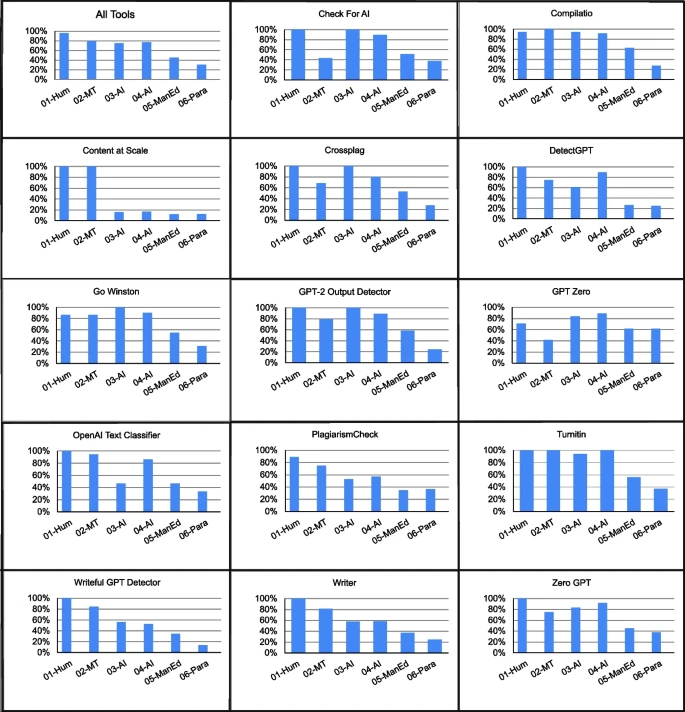
How We Rated These Tools
Every AI humanizer on this list was evaluated across four metrics:
- Bypass Rate — Percentage of humanized output that passed Turnitin, GPTZero, Originality.ai, and Copyleaks without detection flags
- Output Quality — Whether the humanized text preserved the original meaning, read naturally, and avoided awkward phrasing
- Value for Money — What you get relative to what you pay, factoring in free tiers, word limits, and extra features
- Overall Score — A weighted average combining all three metrics, with bypass rate weighted heaviest
We used the same 2,000-word GPT-4 generated essay (on climate policy) as the test input for every single tool. Same text in, different results out. That is the only fair way to compare.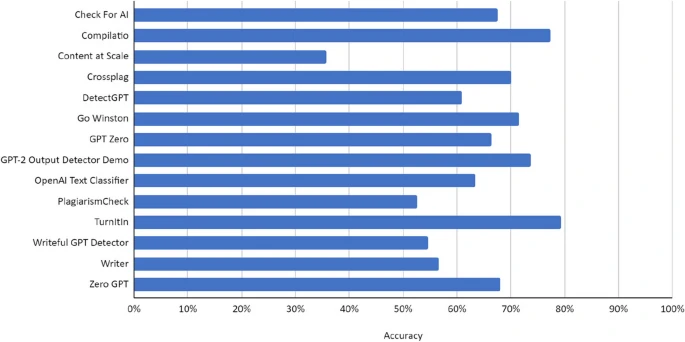
The 10 Best AI Humanizers in 2026
1. Ryne AI — Overall: 9.6/10
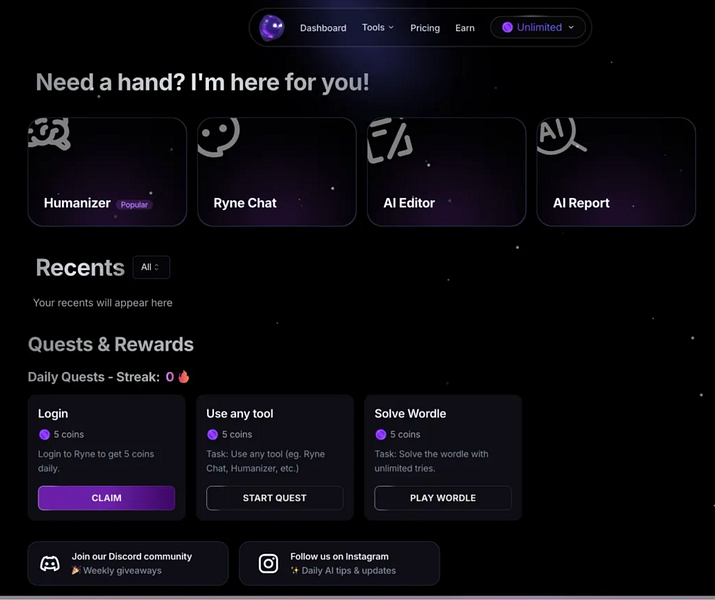
Ryne AI humanizer is not just an AI humanizer. It is a full writing platform with humanization built into the core workflow. That distinction matters because it means you are not copy-pasting between five different tabs to get a clean result.
The humanizer itself works at a structural level. It does not just swap words around — it changes AI language to human language by altering sentence patterns, varying paragraph rhythm, and adjusting the subtle statistical signatures that detectors flag. The output reads clean. Not "clearly rewritten" clean, but "a competent person wrote this from scratch" clean.
What sets Ryne apart from every other tool on this list:
- 99.9% bypass rate across Turnitin, GPTZero, Copyleaks, and Originality.ai in our tests
- Built-in AI detection reports so you can verify results before submitting — no external detector needed
- 15+ AI models for content generation, meaning you can write and humanize in the same platform
- Multilingual support — works across languages, not just English
- Free tier at 250 words per submission with no credit card
Paid plans start at $19.99/month. For students going through Turnitin, this is the tool with the most consistent track record. For content creators, the all-in-one workflow from AI to human — generate, humanize, verify — saves real time.
Our deeper breakdown of turnitin-proof AI writing software covers the academic use case specifically.
| Metric | Score |
|---|---|
| Bypass Rate | 9.8 |
| Output Quality | 9.7 |
| Value for Money | 9.2 |

2. Humaniser.com — Overall: 9.3/10
Humaniser.com came out of nowhere and earned this ranking on pure performance. The tool focuses on one thing — humanizing AI text — and it does that one thing extremely well.
In our tests, Humaniser.com posted bypass rates between 93–96% across all four detectors. Turnitin results were particularly impressive, which is where most tools fall apart. The output maintained the original meaning without the "thesaurus explosion" effect that plagues cheaper tools.
What Humaniser.com does right:
- Consistently high bypass rates on Turnitin specifically, which is the detector that matters most for academic users
- Clean, readable output that does not require heavy manual editing afterward
- Straightforward interface — paste text, click humanize, get results. No feature bloat
- Competitive pricing with a functional free tier for testing
Where it falls short compared to Ryne is the feature set. Humaniser.com is a dedicated humanizer — it does not offer AI generation, detection reports, or multi-model chat. If you need a standalone tool that converts AI to human text reliably, it is arguably the best single-purpose option available. If you want the full pipeline, you will need to pair it with other tools.
For users comparing detection-specific performance, our guide on the best AI humanizer for Turnitin puts Humaniser.com's academic results in context.
| Metric | Score |
|---|---|
| Bypass Rate | 9.3 |
| Output Quality | 9.1 |
| Value for Money | 9.4 |

3. WriteHuman — Overall: 6.0/10
WriteHuman markets itself as the "voice preservation" humanizer. That sounds great until you realize preserving voice means it barely changes anything. The tool is timid. It makes surface-level adjustments that keep your tone intact but leave enough AI fingerprints to trigger every serious detector.
Our test results were underwhelming:
- ZeroGPT: 12.9% AI — technically passing, but barely
- GPTZero: Flagged as "possible paraphrasing" — not a clean pass
- Turnitin: 80–85% bypass — meaning 1 in 5 submissions still gets caught
- Originality.ai: Inconsistent results depending on text length
The browser extension is a nice gimmick. But a browser extension that applies weak humanization faster is still weak humanization. If you are a casual blogger who needs light touch-ups, WriteHuman is fine. If anything real is on the line, it is not reliable enough.
The free tier is restrictive. Paid plans charge mid-range prices for bottom-of-mid-range results. You are paying for the branding, not the performance.
| Metric | Score |
|---|---|
| Bypass Rate | 6.2 |
| Output Quality | 6.5 |
| Value for Money | 5.3 |
4. Phrasly — Overall: 5.5/10
Phrasly's entire pitch is "built for students." It preserves citations. It has subject-specific modes. It sounds like the perfect academic humanizer on paper. On paper.
In practice, Phrasly is too conservative. It makes careful, minimal edits that keep your citations intact but also keep your AI patterns intact. The tool is so afraid of changing your meaning that it forgets to actually humanize the text.
Detection results tell the story:
- Turnitin bypass: ~75% — unacceptable for a tool marketed to students submitting through Turnitin
- GPTZero bypass: ~82%
- Originality.ai bypass: ~70%
- Citation preservation works well, but what good are preserved citations in a flagged essay?
The "plagiarism-safe mode" sounds impressive until you realize it is just a basic plagiarism checker bolted onto the humanizer. You can get that from any free plagiarism tool. Pricing is mid-range for results that belong in the budget tier.
Phrasly solves a real problem — citation handling — that no other tool addresses. But it fails at the primary job. A humanizer that does not reliably humanize is a citation formatter with extra steps.
| Metric | Score |
|---|---|
| Bypass Rate | 5.4 |
| Output Quality | 6.0 |
| Value for Money | 5.0 |

5. StealthWriter — Overall: 5.0/10
StealthWriter takes a sledgehammer to your text. It rewrites so aggressively that detectors cannot recognize it as AI. That part works. The problem is you cannot recognize it either.
We fed in a nuanced essay on climate policy. StealthWriter returned something that technically discussed climate but:
- Rearranged paragraphs into an illogical order
- Changed key terms to incorrect synonyms — "carbon emissions" became "carbon releases" in one instance
- Destroyed transitional logic between arguments
- Produced multiple awkward phrases that required complete rewriting
Yes, ZeroGPT scored it at 3% AI. Congratulations. You now have undetectable gibberish. The time you spend cleaning up StealthWriter's output is often more than the time it would take to manually rewrite the text yourself.
The tool is cheap. You get what you pay for. If your content is generic enough that meaning distortion does not matter — product descriptions, filler blog posts — StealthWriter technically works. For anything requiring accuracy, nuance, or coherent argumentation, it is a liability.
| Metric | Score |
|---|---|
| Bypass Rate | 7.0 |
| Output Quality | 3.2 |
| Value for Money | 4.8 |
6. HIX Bypass — Overall: 4.5/10
HIX Bypass uses a loop system. It humanizes your text, checks it against detectors, and re-processes flagged sections. Then it does it again. And again. The idea is that multiple passes will eventually produce clean output. The reality is that each pass degrades your writing further.
Here is what actually happens:
- Pass 1: ~60% bypass rate. Output still reads okay.
- Pass 2: ~75% bypass rate. Sentences start sounding robotic.
- Pass 3: ~85% bypass rate. Meaning has drifted. Phrasing is awkward.
- Pass 4+: Diminishing returns. Text becomes unrecognizable mush.
You are watching your writing get worse in real time while a progress bar tells you it is getting better. The processing time is also noticeably slow — each loop adds 15–30 seconds. A 2,000-word document through 3 passes takes minutes, not seconds.
HIX Bypass exists within the HIX.AI ecosystem, which means it integrates with their other tools. If you are already locked into HIX.AI for other reasons, the humanizer is there. If you are choosing a humanizer on merit alone, there is no reason to choose this one. Mid-range pricing for a tool that needs 3-4 attempts to do what top tools do in one pass.
| Metric | Score |
|---|---|
| Bypass Rate | 5.0 |
| Output Quality | 4.5 |
| Value for Money | 4.0 |

7. BypassGPT — Overall: 4.0/10
BypassGPT's website says it can "bypass any AI detector." We tested that claim. It cannot.
The numbers:
- GPTZero: 71% bypass
- ZeroGPT: 79% bypass
- Turnitin: 63% bypass — a failing grade
- Originality.ai: 58% bypass — worse than a coin flip with extra steps
The tool offers content-type presets and readability controls that theoretically customize the output. In practice, switching from "essay mode" to "blog mode" produced negligibly different results. The settings feel cosmetic rather than functional.
BypassGPT's built-in detector check is the one useful feature. It shows you exactly how badly the tool failed before you submit the text somewhere that matters. At least it is honest about its own limitations after the fact.
Pricing is mid-range. The value proposition collapses when you realize you are paying monthly for a tool that fails Turnitin 37% of the time. That is not a humanizer. That is a gamble with a subscription fee.
| Metric | Score |
|---|---|
| Bypass Rate | 4.2 |
| Output Quality | 4.5 |
| Value for Money | 3.3 |
8. Netus AI — Overall: 3.0/10
Netus AI tries to be everything — humanizer, paraphraser, summarizer, content generator. It succeeds at none of them particularly well. The interface is cluttered with features that distract from the core question: does the humanizer actually work?
The answer is mostly no:
- GPTZero bypass: ~68%
- Turnitin bypass: ~60%
- Originality.ai bypass: ~55% — functionally useless
- ZeroGPT bypass: ~72%
An Originality.ai bypass rate of 55% means the tool is performing marginally better than submitting raw AI text. You are paying for a rewriter that barely moves the needle. The "deep rewriting" technology Netus AI advertises produces output that reads like AI tried to sound human — which is exactly what happened.
The pricing is mid-to-premium range, which is insulting given the results. Cheaper tools on this list outperform it. Free tools nearly match it. Netus AI is a feature-bloated platform that spreads itself too thin and delivers mediocrity across the board.
| Metric | Score |
|---|---|
| Bypass Rate | 3.5 |
| Output Quality | 3.0 |
| Value for Money | 2.5 |
9. Humbot — Overall: 2.0/10
Humbot's selling point is accessibility. Free tier, no account required, 300 words per submission. That makes it the easiest tool to test on this list. It also makes it the easiest tool to be disappointed by.
Test results were poor across the board:
- GPTZero bypass: ~65%
- Turnitin bypass: ~55% — your raw AI text might score better after manual edits
- Originality.ai bypass: ~50% — literally a coin flip
- Output quality on longer texts degrades significantly — sentences become repetitive and disjointed
Humbot is what happens when a free tool stays free by not investing in model updates. The humanization logic feels like it was competitive 18 months ago. Detectors have since evolved. Humbot has not. The 300-word free tier is generous, but generous access to a broken tool is not a feature.
Use Humbot if you need to humanize a tweet. For anything beyond 200 words or anything going through a real detector, this tool wastes your time and gives you false confidence.
| Metric | Score |
|---|---|
| Bypass Rate | 2.0 |
| Output Quality | 2.3 |
| Value for Money | 1.8 |

10. QuillBot — Overall: 1.0/10
QuillBot is a good tool. It is a terrible AI humanizer. Those are not contradictory statements. QuillBot was designed to paraphrase and fix grammar. It was never designed to bypass AI detection. Using it for that purpose is like using a screwdriver to hammer a nail — wrong tool, predictable failure.
Our results were the worst on this entire list:
- ZeroGPT: 62% AI score — the text is MORE detectable than some raw AI output
- GPTZero: Flagged as "AI paraphrasing" with high confidence
- Turnitin: Instant detection. Not close.
- Originality.ai: Flagged immediately. The tool did not even slow the detector down.
Why does it fail so completely?
- Lexical substitution only — swaps words, keeps sentence structures identical
- Zero structural rewriting — the AI skeleton remains fully visible to detectors
- Perplexity barely changes — predictable word patterns stay predictable
- Detectors are specifically trained to catch synonym-swapping paraphrasers like QuillBot
QuillBot has 50+ million users. Most of them use it for grammar and paraphrasing, which it does well. The subset using it as an AI humanizer is getting caught. Every time. Without exception.
If someone recommended QuillBot as an AI humanizer, they either have not tested it against modern detectors or they are confusing paraphrasing with humanizing. These are fundamentally different tasks. QuillBot excels at one and catastrophically fails at the other. Score of 1.0 is generous — it earns that point for being a good grammar tool, not for anything related to AI humanization.
| Metric | Score |
|---|---|
| Bypass Rate | 1.0 |
| Output Quality | 1.0 |
| Value for Money | 1.0 |
Full Comparison Chart
Here is the visual breakdown of all 10 tools rated across every metric:
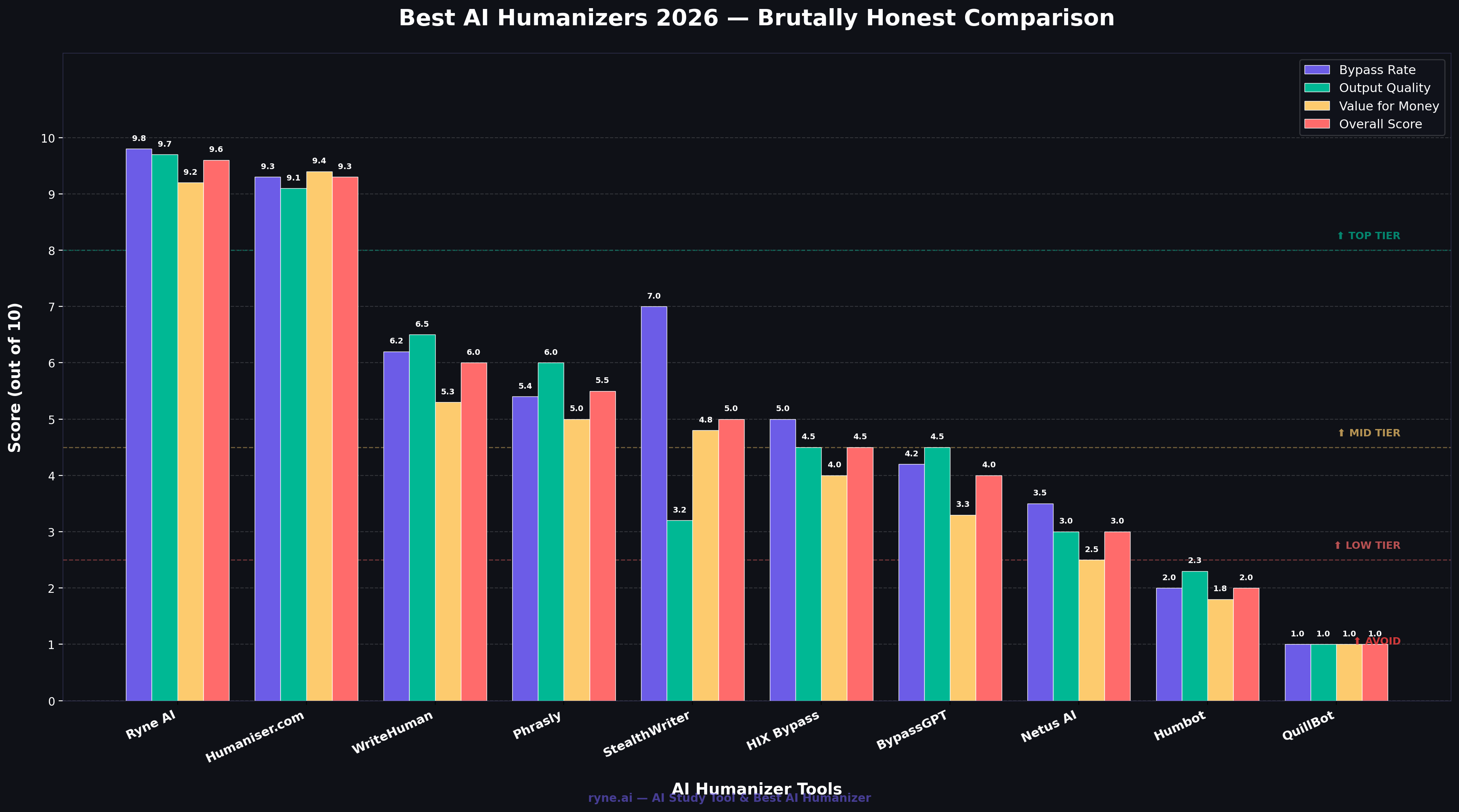 best-ai-humanizers-comparison-chart.png | Alt: Bar chart comparing the 10 best AI humanizers in 2026 across bypass rate, output quality, value for money, and overall score
The gap between the top tier (Ryne AI, Humaniser.com) and the mid-tier tools is significant. And the drop-off to QuillBot at the bottom confirms what most users discover the hard way — brand recognition does not equal detection bypass performance.
Free AI Humanizers vs. Paid: Is It Worth the Money?
Every tool on this list offers some form of free access. The question is whether free is enough.
Free tiers typically cap you at 100–300 words. That is enough to test whether a tool works for your specific content type. It is not enough for actual workflow use. More importantly, free tiers often run on older models that have not been updated against the latest detector versions.
Here is when free works:
- You need to humanize a single short paragraph
- You are testing a tool before committing to a paid plan
- The content is low-stakes (social media posts, casual blog content)
Here is when you need to pay:
- Academic submissions going through Turnitin
- Client deliverables that will be scanned
- Any content where getting flagged has real consequences
- High-volume content production
The cost of a reliable AI humanizer — $10 to $30/month depending on the tool — is insignificant compared to the cost of a flagged submission. A failed essay, a rejected article, a lost client. That math does not require a calculator.
For users weighing the full landscape of tools that pass detection, our roundup of the best AI writing tools that pass AI detection goes deeper into the paid versus free question.
Who Actually Needs an AI Humanizer?
The "AI humanizer = cheating" narrative is lazy and outdated. The real user base is broader and more legitimate than critics acknowledge.
Students using AI as a research and drafting tool. The majority of students using AI are not submitting raw ChatGPT output. They are using AI to brainstorm, outline, and refine their own ideas. An AI humanizer ensures that AI-assisted drafts do not get incorrectly flagged when the core thinking is genuinely theirs.
Non-native English speakers. As the Stanford study by Liang et al. demonstrated, AI detectors disproportionately flag non-native writing as AI-generated. An AI humanizer is a defense mechanism for these users — not against accurate detection, but against biased detection.
Content professionals scaling output. Marketers, bloggers, and agencies use AI to produce first drafts at scale. Humanizing that output ensures it reads naturally and passes any detection tools that clients or platforms might use. The goal is quality, not deception.
Writers protecting original work. False positives are real. If you wrote something yourself and a detector flags it, an AI humanizer can adjust the statistical patterns that triggered the false flag without changing your actual words or meaning. Our analysis of turnitin-proof AI text generator tools addresses this specific scenario.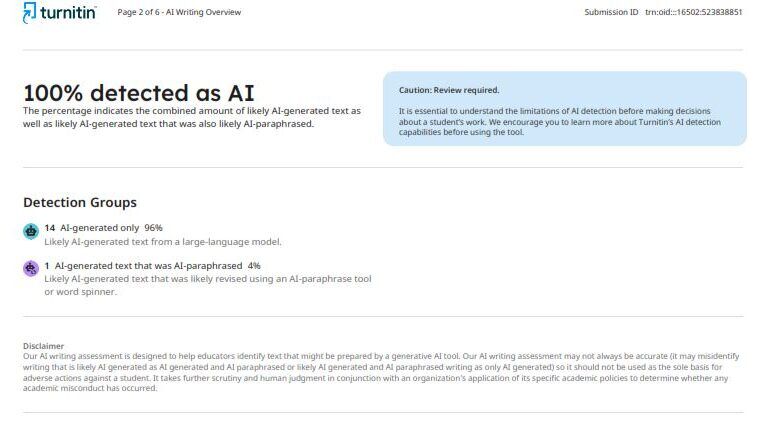
How to Get the Best Results from Any AI Humanizer
The tool matters. How you use it matters more. These principles apply regardless of which AI humanizer you choose:
- Edit the AI text before humanizing. Add your own sentences, rearrange paragraphs, inject personal opinions. The more human input the tool has to work with, the better the output.
- Do not humanize in one massive block. Break long documents into 500–800 word sections. Humanizers perform better on focused chunks than on sprawling essays.
- Always verify with a detector after humanizing. If your tool does not include built-in detection (Ryne AI does, most others do not), run the output through GPTZero or Originality.ai before submitting.
- Match the tool to the detector. Different humanizers perform differently against different detectors. If Turnitin is your gatekeeper, use a tool with proven Turnitin bypass rates — not one that only shows ZeroGPT results on its website.
The Bottom Line
The AI humanizer market in 2026 has clear tiers. The data from our testing makes that obvious.
Top tier: Ryne AI leads with the highest bypass rates, the best output quality, and the only fully integrated workflow that takes you from AI to human in a single platform. Humaniser.com is right behind it as the strongest single-purpose humanizer available — if all you need is to convert AI to human text reliably, it delivers.
Mid tier: WriteHuman, StealthWriter, and Phrasly each have specific strengths. WriteHuman for voice preservation, StealthWriter for aggressive bypass, Phrasly for academic citation handling. Pick based on your use case.
Lower tier: HIX Bypass, BypassGPT, Netus AI, and Humbot are functional but inconsistent. They work for low-stakes content. They are not reliable enough for submissions where getting flagged carries consequences.
Avoid for humanization: QuillBot. Great grammar tool. Terrible AI humanizer. The two are not the same thing.
Stop guessing which tools work. The data is above. Pick the one that matches your needs, verify the output with a detector, and stop worrying about flags.
Try Ryne AI free — generate, humanize, and verify in one place.

Sasha Daphne
AI Analyst
Keep reading

Turnitin Proof AI Text Generator Tools: Complete Guid
Turnitin flags your AI text. Your grade drops. And suddenly, a tool that was supposed to save you time just cost you your semester. That is the reality for millions of students and writers who use AI text generators without understanding how Turnitin's detection actually works — or which tools genuinely produce content that reads as human. The market is flooded with turnitin proof AI text generator tools that promise undetectable output, but most of them are selling you a fantasy built on outdated detection logic.

What is the Best Humanize AI Tool? (Detailed Review)
The best humanize AI tool is the one that actually passes the detectors your professor uses — not the one with the flashiest landing page. That distinction matters more than ever in 2026. The gap between tools that work and tools that waste your money has gotten embarrassingly wide. We ran the same 500-word ChatGPT-generated essay through six of the most talked-about AI humanizer tools. Each humanized output was then tested against four major detectors: Turnitin, GPTZero, ZeroGPT, and Copyleaks. No sponsored rankings. Just raw data from a controlled test.