


Why AI Humanizers Don’t Work (And What Actually Works in 2026)

It hits you suddenly - content made, processed through a so-called AI humanizer, then caught anyway. Confusion follows. Frustration tags along behind.
The method was supposed to work. The tools praised online were used exactly as shown. Still, AI detection tools spot the machine touch without hesitation.
Lately, that pattern repeats too often. Year after year, it grows louder. By 2026, nearly everyone attempting polished outputs runs into this wall.
Students, writers, and job-focused creators all face the same unshifting result despite careful effort. What really matters isn’t how hard you try - tools shape results more than work does.
Though AI-generated text detection systems keep improving fast, learning new tells every update, many so-called AI text humanizer tools rely on old tricks that barely fool anyone now.
The Myth Behind AI Humanizers
Surprisingly, AI humanizers seem to offer exactly what people want. Drop in your text, hit go, then out comes something that feels natural - so they claim to humanize AI text effectively.
Yet thinking these tools help you fully bypass AI detection misses how those systems actually function now. A lot of folks think swapping terms hides the machine behind it, yet modern checks look past surface changes entirely.
Instead, patterns in rhythm, flow, repetition, and subtle word choices reveal the truth. Even when your words seem unique, they might act just like machine-made writing once you dig deeper into statistical text patterns.
That mismatch - how things appear versus how they really are - is why folks keep getting caught in filters over and over.
| ✅ Pros | ❌ Cons |
| Fast and automated output processing | High risk of detection by 2026 filters |
| Good for initial draft smoothing | Fails to hide deep statistical patterns |
| Scalable for high-volume content | Lacks genuine human randomness |

Simple Changes Miss the Point
Some tools meant to make AI writing seem more human stick to basic tricks - lexical substitution or shuffling sentences around. That might help a little with how smooth the text feels, yet leaves its core untouched.
Picture giving a vehicle a new coat of paint; sure, the color changes, but underneath, everything runs just like before. What catches these systems isn’t the outer layer but what drives them - the hidden patterns beneath word choice and flow.
If you are looking for a more robust solution, you might want to explore the best StealthWriter alternatives that focus on deeper structural changes.
Detectable Patterns in Statistical Text
Most times, you will notice that AI-written text follows certain number-based habits when forming words. These hidden rhythms affect text predictability and stick around even if someone tries to rewrite AI content later on.
Software built to catch machine-generated content knows exactly where to search for those rhythms. Because of this, simple rewording tricks rarely help reduce AI detection score effectively.
That stubborn trace left behind explains why slipping past detectors rarely succeeds.
Lack of Genuine Human Randomness
Odd quirks pop up when people write by hand. A sudden shift in rhythm, an offbeat phrase - these tiny flaws feel real. Machines tidy things up too much, linking ideas neatly with steady flow. That polish gives it away.
Detectors notice the absence of a stumble, the missing rough edge. Smoothness reads as fake. Real voices trip once in a while - something undetectable AI writing still struggles to replicate.
Over-Optimization of Keywords
Most people don’t realize how easily content gets flagged when it tries too hard. Stuffing phrases such as AI humanizer, human sounding AI content, or trying to force undetectable AI writing trips alarms.
Machines notice patterns - especially ones that feel forced. That stiffness gives the game away every single time.
Fails Advanced AI Detection
Even small tweaks to AI-written work might not fool today’s tools. Tools such as Turnitin AI detection and GPTZero false positives analysis dig into how sentences are built, not just what words appear.
Because of pattern recognition powered by smart algorithms and ongoing detector retraining, they spot echoes of artificial origins. When the core framework stays robotic, changes on the surface hardly matter.
For a deeper dive into these limitations, check out our analysis on why GPTZero is not reliable anymore.
Repetitive Sentence Structures
Though words change, the rhythm can stay flat. People mix short thoughts with longer ones without thinking, yet machine-made text often marches in lockstep.
Tools meant to make it sound real might tweak phrasing, still missing the uneven flow people write with. That steady beat? It tips off detectors every time.
The Technical Side Made Clear
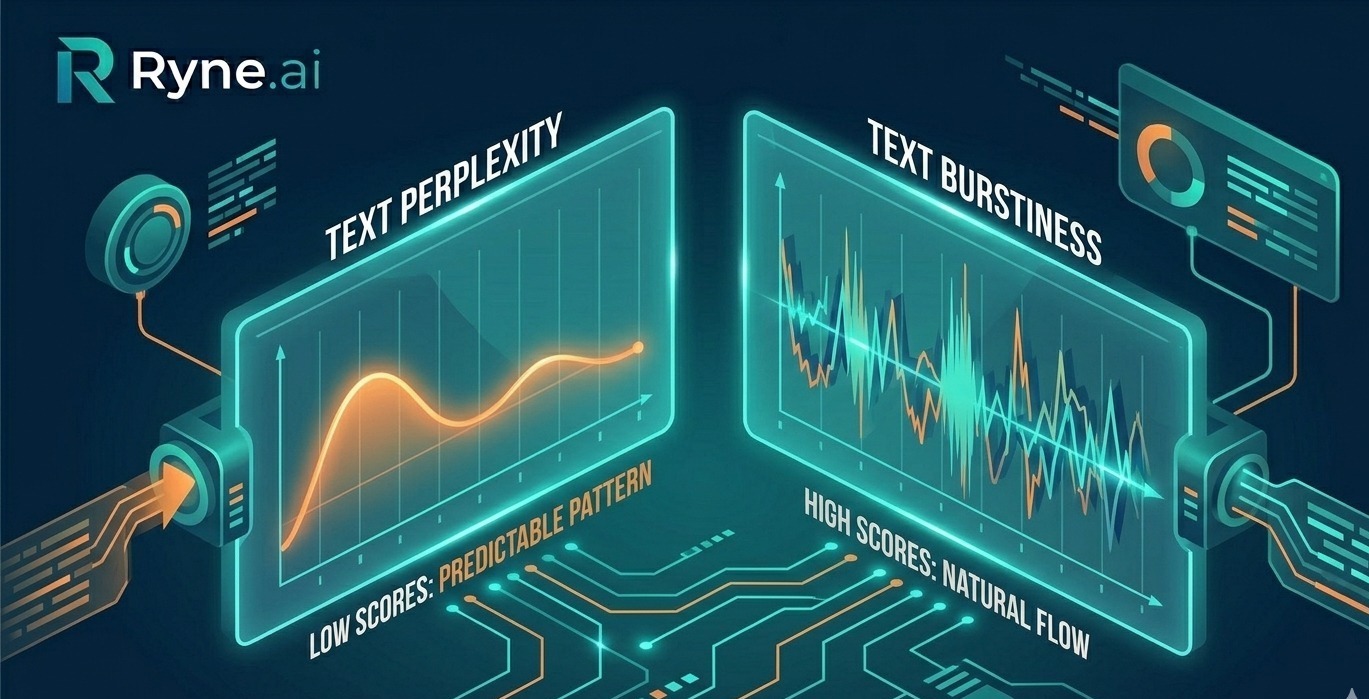
Perplexity Score and Its Importance
Besides predicting flow, perplexity score gauges text familiarity. When numbers drop, patterns emerge more clearly - common in machine-made writing.
People tend to write with irregular rhythms, lifting the score overall. Even reworked drafts slip through detectors since changes rarely boost complexity enough to fully bypass AI detection.
Burstiness in Natural Writing Flow
Out of nowhere, a short line might hit - then a longer one unfurls. That kind of burstiness shows up often when people write.
Machines? They lean toward sameness, stacking sentences that match in shape and pace. Rewritten or not, many tools miss this swing between brief and stretched-out thoughts.
Without these shifts, the flow feels off, like something predictable hiding behind words.

Testing and Evidence
AI Detection Accuracy and False Positives
These days, spotting AI-made writing gets better fast - rewritten stuff included. Still, programs such as GPTZero sometimes misfire, raising concerns about AI detector accuracy.
That twist means lowering a detection number misses the point; what matters is rebuilding the way sentences take shape rather than chasing GPTZero false positives fixes.
Case Studies Using Detection Tools
Out in the open, tests tell a consistent story. Content made by AI alone often triggers alerts, marked as synthetic with strong confidence by AI detection tools.
Once pushed through an automated humanizer tool, the flags lessen just a bit - yet still stay too high. But here's where it shifts: when someone applies structural rewriting and tweaks phrasing by hand, the signals fade sharply.
Turns out, only real reworking cuts through the noise, not quick fixes.

What Actually Works Instead
Structural Rewriting
Out of order comes fresh structure - rewriting like this flips how thoughts line up. Not small tweaks, but moving whole pieces around, seeing things from another angle entirely.
Suddenly, the rhythm changes because the bones underneath have shifted. Predictability drops when familiar trails get scrambled on purpose. This is where true human sounding AI content begins to form.
Editing with Purpose
Still, nothing beats going through things by hand. Tossing in your own thoughts, shifting how it sounds, or even leaving little flaws on purpose - these shift everything.
Perfection isn’t the goal here; being real is what helps reduce AI detection score naturally.
Context-Driven Content Creation
Start by building around AI-generated text instead of redoing it. Bring in real-life cases to clarify points now and then. Specific details tuned to readers help ground ideas better most times.
Layered thinking shows through when explanations unfold slowly. Predictable patterns fade once depth enters the picture. Engagement rises when substance fills space normally ignored.
To see how this applies to academic standards, you can use our AI Report tool to check your current content quality.
Lexical Variation Strategies
Swapping terms word by word tends to sound stiff. A smoother approach avoids mechanical lexical substitution and instead picks phrasing people actually use.
Fresh wording shows up better when it flows like speech. Unforced changes give a truer vibe than swapped synonyms ever could.
AI Humanizer Compared to Real Solutions
| Approach | Effectiveness | Risk of Detection | Quality | Scalability |
|---|---|---|---|---|
| AI Humanizer | Low | High | Medium | High |
| Manual Editing | High | Low | High | Medium |
| Structural Rewrite | Very High | Very Low | High | Medium |
| Hybrid Approach | Best | Lowest | Very High | Medium |
FAQs
1. AI Humanizers and the Challenge of Detection Evasion?
Most times, tools that claim to make AI writing sound human fail. They tweak small details like word choice but miss what really matters. Detection software looks at how sentences flow over time.
It checks rhythm, repetition, variation - things hard to fake. A few swaps here and there won’t trick a system built to spot machine patterns. You can find more details in our detailed review of the best humanize AI tools.
2. What is the best way to reduce AI detection score?
Starting fresh often works best when reshaping sentences by hand while adjusting how ideas connect throughout. A shift happens not just in wording but also in how thoughts unfold across lines.
3. Why do patterns remain after rewriting?
Most times, patterns stick even when words change. Machines spot those traces easily. Sentence flow gives it away, too. Tiny choices in phrasing echo sources.
Rewriting rarely removes all fingerprints because statistical text patterns remain embedded. Hidden structures stay similar behind new wording. That is what detectors notice first.
4. AI Detection Tools Accuracy Questioned?
Wrong results happen sometimes with detectors such as GPTZero or Turnitin, though they improve through continuous detector retraining. Accuracy isn’t perfect yet because mistakes still occur now and then.
To understand the specific risks for students, read our analysis on whether humanized AI works on Turnitin.
5. What is better than using an AI text humanizer?
Editing by hand works better when shaped around context, while shifting structure adds strength. Automated tools rarely match that blend when trying to rewrite AI content effectively.
Conclusion
Some tools claim to make AI writing sound natural - yet their outcomes stay unpredictable by 2026.
It's less about the software, more about how it’s used.
Modern detectors go beyond wording, studying rhythm, flow, even pauses between ideas.
Tweaking sentences lightly won’t fool these systems anymore. Real invisibility comes from rebuilding paragraphs, rethinking logic, shaping original thought slowly.
True blending needs time, care, and a human touch rather than relying on an AI text humanizer alone. Working smarter pays off when it comes to these approaches.
Over time, understanding the mechanics behind writing beats depending on tools every single time.


How do AI flashcard generators enhance studying?
Boost study efficiency with an ai flashcard generator from notes, create quizzes, and improve memory using smart AI study tools.

Best Free AI Tools for Students: Safe for Schoolwork in 2026
Discover free AI tools for students that are safe for schoolwork. See which apps support real learning — without cheating or breaking school policy.