


How to Study with AI: Maximize Learning Efficiency

Introduction: Why Learning with AI Changes Everything
You're studying wrong. Most students are. They spend hours on textbooks, highlight passages, take notes nobody reads, and call it studying. Then they're shocked when results don't match the time invested.
Here's what's actually happening: How to study with AI is becoming the baseline skill that separates high performers from everyone else. Eighty-six percent of students already use AI in their studies. Sixty-six percent use ChatGPT specifically. This isn't a trend. This is the new reality of how learning happens.
The ones who understand how to study with AI effectively are getting measurable results. They study less, learn more, and graduate with genuine mastery instead of just surviving. The ones still using outdated methods are working harder for worse outcomes. That's the brutal math of education in 2025.
The Problem: Traditional Study Methods Kill Your Learning Efficiency
Why Time Investment Doesn't Equal Learning Results
Students spend an average of five to seven hours per day on study activities. Think about that. That's a full workday dedicated to learning. Yet most of that time produces minimal retention. Why? Because the methods don't work.
Traditional study techniques rely on passive absorption. Read the material. Highlight the important parts. Copy notes into a fresh notebook. Review the same material repeatedly. These activities feel like studying. They feel productive. Your brain feels engaged. But research shows that passive review and rereading produce significantly lower retention compared to active learning strategies.
The problem is deeper than inefficiency. It's a fundamental mismatch between how the human brain actually learns and how traditional education assumes learning happens. Your brain learns through retrieval practice, spaced repetition, and active engagement with study material. It doesn't learn through passive consumption of information or ineffective study techniques.
This creates a trap: the harder students work using ineffective study methods, the more frustrated they become. They're putting in the effort. They're investing the time. But the results don't match the input. So the system tells them to work even harder with the same study strategies. They burn out. Their academic performance suffers. And they blame themselves for not being "smart enough" when the real issue is the study methods themselves.
The Real Cost of Inefficient Study Methods
The cost of inefficient studying extends beyond wasted time. Each inefficient study session sets you back because you're:
- Reinforcing weak understanding instead of building mastery
- Creating false confidence about concepts you haven't actually learned
- Accumulating study debt that compounds over time
- Burning mental energy that could go toward genuine learning
When you spend five hours studying with inefficient methods, you're not just wasting five hours. You're also delaying the moment when you actually understand the material. You're pushing real learning further away while feeling like you're making progress.
How to Study with AI: The Framework That Works
The Three-Stage AI Learning System
How to study with AI isn't random. It follows a specific framework that aligns with how your brain actually learns. This framework has three distinct stages: assessment, active learning, and solidification.
Stage 1: Assessment Through AI
Before you start deep study, you need to know what you actually don't know. This is where AI becomes invaluable. Use AI tools to generate practice questions on material you're studying. Take the quiz without preparation. See what fails. This isn't about getting right answers. It's about identifying your knowledge gaps with precision.
This stage takes maybe 15-20 minutes per subject. You invest minimal time and get maximum clarity about where to focus. AI tools analyze your responses and show you exactly which concepts need work. No guessing. No wasting time on concepts you've already mastered.
Stage 2: Active Learning with AI Guidance
Once you know your gaps, fill them through active engagement with learning material. This is where how to study with AI becomes fundamentally different from passive studying and traditional learning approaches. Use AI to:
- Generate detailed explanations for concepts you misunderstood
- Create study scenarios and problem sets tailored to your gaps
- Provide immediate feedback on your attempts
- Adjust difficulty based on your performance
Active learning with AI looks different than traditional studying. You're engaging with the material through problem-solving, explanation, and application. You're not passively reading. You're actively thinking, responding, and correcting.
Research on AI-powered learning environments shows that students who use adaptive AI tools significantly outperform those using traditional methods. A groundbreaking randomized controlled trial from Harvard University involving 194 undergraduate physics students found that students learn significantly more in less time when using an AI tutor compared with in-class active learning.
The study, published in Scientific Reports in June 2025 and led by Gregory Kestin and Kelly Miller from Harvard's Department of Physics, demonstrated concrete results: students using the custom AI tutor called "PS2 Pal" learned more than twice as much content and did so in less time (median 49 minutes versus 60 minutes for classroom instruction). Students also reported significantly higher engagement and motivation.
Stage 3: Solidification and Communication
The final stage separates students who know material from students who can communicate mastery. After you've learned content through active AI-guided study, the challenge becomes expressing what you know in clear, authoritative writing.
Many students master material internally but struggle to demonstrate that mastery in written assignments. Their writing sounds hesitant. They hedge their arguments. They bury insights under weak language. This is where Ryne's Humanizer solves a critical problem. It helps you convert AI-generated initial drafts or your own academic writing from uncertain prose into confident, clear expression.
The humanizer technology works by transforming the fundamental tone and structure of your writing. It helps you humanize the text by converting passive, tentative language into active, authoritative communication. This isn't about deception. It's about ensuring your written work reflects your actual knowledge.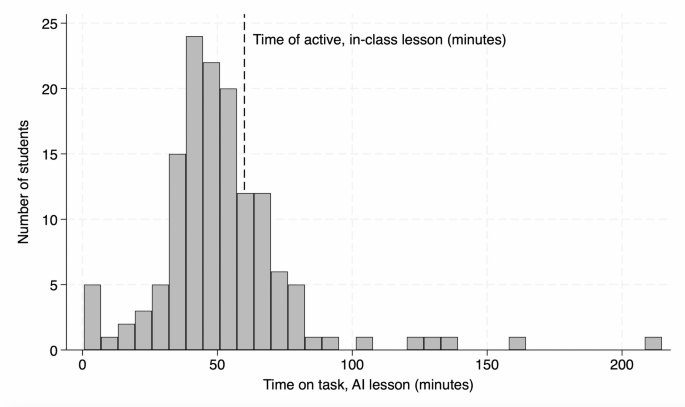
Practical Implementation: How to Study with AI Daily
The Morning Protocol
Start your study day with AI assessment. Spend 15 minutes using AI to generate and answer questions on today's primary learning objective. Your AI tool should analyze your performance and identify specific gaps.
Real example: If you're studying Biology, ask your AI assistant to generate 10 questions on photosynthesis. Take the quiz cold. The AI identifies which concepts you're weak on—maybe you understand light reactions but struggle with the Calvin cycle. This precision saves hours of random studying.
This protocol takes less time than traditional study startup but gives you complete clarity about what to focus on. You're not guessing which concepts need work. You're not randomly opening textbooks. You have a data-driven study plan based on your actual performance.
Want to learn how to study with AI effectively? This method works for exam preparation, mastering complex subjects, and accelerating your learning timeline significantly.
The Deep Work Session
With gaps identified, engage in active learning for 45-60 minutes. Use AI to guide your learning through detailed explanations of concepts you missed, problem sets adapted to your skill level, immediate feedback on each attempt, and real-world application scenarios.
Real example: You're preparing for a History exam on World War II. Your morning assessment showed weakness on causes of the war. Your 45-minute deep work session might look like: AI generates detailed explanations of economic factors, territorial disputes, and diplomatic failures leading to war. You work through practice essay questions. AI provides immediate feedback on your historical accuracy and argument structure. You apply concepts to similar geopolitical situations. By session end, you don't just know the material—you can write compelling historical arguments about it.
The key difference from traditional study methods: you're not grinding through passive material. Every minute targets genuine learning and skill development. AI adjusts difficulty automatically. When you master a concept, it moves forward. When you struggle, it provides additional support and personalized learning pathways.
Research analyzing the impact of AI tools on student study habits found a significant reduction in study hours alongside an increase in GPA. Students achieved better academic results while studying less because they eliminated wasted time on ineffective methods.
The Integration Session
After focused learning, spend 15-20 minutes integrating what you've learned. Explain concepts aloud. Teach them to an AI study assistant. Write summaries without looking at notes. This forces active retrieval of what you just learned and solidifies knowledge before the learning session ends.
Many students ask: "How do AI learning tools actually improve retention?" The answer lies in this integration phase. Traditional methods skip this step entirely. AI tutoring systems guide you through it automatically, making retention transfer permanent instead of temporary.
The Writing Transformation
When you need to express your learning in written form, use Ryne's humanizer to convert your academic writing into clear, confident prose. This final step ensures your written work demonstrates the mastery you've built through AI-guided learning.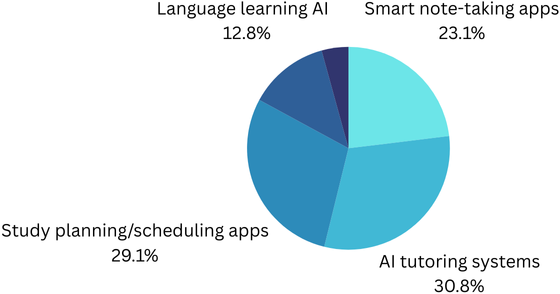
The Data: What Studying with AI Actually Delivers
The adoption numbers tell a clear story. Eighty-six percent of students already use AI in their studies. On average, surveyed students use 2.1 AI tools for their courses. ChatGPT remains the most common, used by 66% of students, followed by Grammarly and Microsoft Copilot.
But adoption isn't the interesting metric. Results are. Studies show that students using AI-guided learning achieved the same academic outcomes in significantly less time. A student using traditional methods might need seven hours to learn a concept. An AI-guided student might need three to four hours and understand it more deeply.
That's not multitasking efficiency. That's fundamental optimization of how mental effort translates to learning.
Knowledge Retention: Understanding, Not Just Memory
Research from Harvard and MIT comparing AI tutors to in-class active learning found that students learn significantly more in less time when using AI tutors. The study controlled for pedagogical quality—the AI tutor used the same teaching methods as the in-class lessons. The only difference was the medium. Yet the AI version outperformed traditional teaching.
This matters because it proves the effectiveness isn't about flashy technology. It's about systematic optimization of how learning actually happens. When AI adjusts difficulty, provides immediate feedback, and guides active retrieval, students learn better and faster.
Student Engagement and Motivation
Students report not just better results but genuinely enjoying how to study with AI more than traditional methods. They feel more engaged. They feel more motivated. This isn't because screens are fun. It's because they're experiencing consistent progress. They understand material. They see themselves improving. That's intrinsically motivating.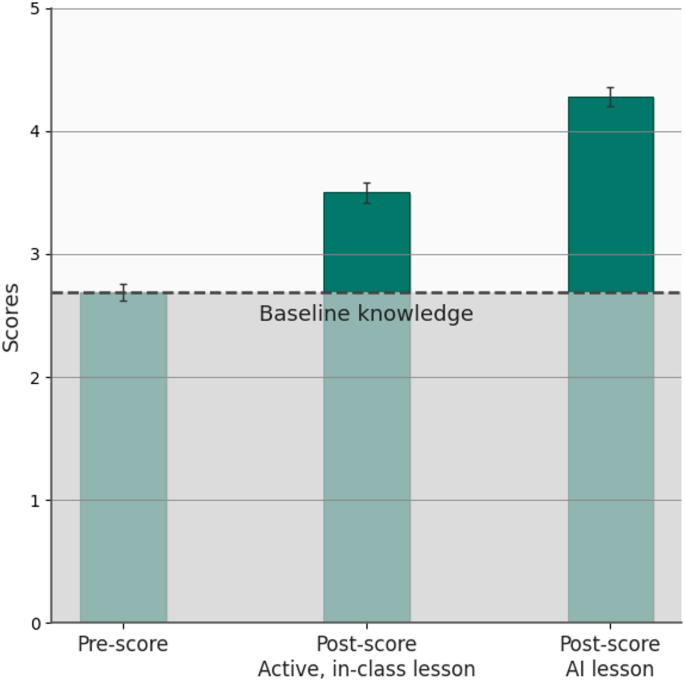
The Warning: Avoiding the Pitfalls of AI-Assisted Learning
The Over-Reliance Trap
AI is powerful. But power without wisdom creates problems. The biggest risk is over-reliance: accepting AI outputs without critical evaluation, using AI to avoid thinking instead of to enhance thinking, or treating AI explanations as definitive truth.
Forty-eight percent of students report inadequate preparation for evaluating AI outputs. Many take AI-generated explanations as gospel without comparing them to other sources or thinking critically about whether the information is accurate.
The solution isn't to avoid AI. It's to use AI within a framework of critical thinking. Use AI to generate initial drafts, explanations, and study materials. Then evaluate them. Compare AI outputs to textbook sources. Question assumptions. Integrate information from varied sources. This approach uses AI as a learning accelerator instead of a thinking replacement.
The Shallow Learning Risk
AI can make learning feel easy. Information flows immediately. Explanations appear instantly. This can create the illusion of learning without actual mastery. Students might feel like they understand after reading an AI explanation without actually being able to apply that knowledge.
Solve this by forcing active engagement: answer questions before reading explanations, teach concepts aloud to verify understanding, apply knowledge to new problems, and explain reasoning behind your answers.
MIT's Learning Innovation research emphasizes that generative AI should be used to scaffold learning experiences, not replace them. This distinction is critical: AI as a tool that supports and accelerates learning when properly implemented, not as a shortcut that eliminates thinking.
Communication Without Understanding
The final pitfall is using AI to complete written work without actually understanding the material. Using Ryne's AI Humanizer to improve your writing is powerful. Using it to hide shallow understanding is self-sabotage.
The humanizer works best when you've actually learned material deeply. It transforms confident thinking into confident writing. It doesn't create confidence where none exists.
How to Study with AI: The Complete Process
Effective studying with AI follows a consistent sequence. Begin with assessment to identify knowledge gaps. Move to active learning where AI guides your engagement with material. Solidify learning through retrieval practice and application. Finally, express your knowledge through writing that reflects your actual mastery, using Ryne's AI Humanizer if needed to ensure your writing matches your knowledge.
This process eliminates wasted time. It accelerates learning. It builds genuine mastery instead of temporary memory. And it produces better academic results in less time.
The students who implement this framework aren't working harder. They're working smarter. They're using the same technology that 86% of their peers have access to, but implementing it systematically within a framework designed for actual learning.
The Future: Why Traditional Study Methods Are Dying
The shift from traditional studying to AI-guided learning isn't coming. It's here. The only question is whether you'll lead this shift or lag behind it.
Students who know how to study with AI effectively will have a systematic advantage. They'll understand material more deeply. They'll retain it longer. They'll perform better on assessments. They'll graduate with genuinely applicable knowledge instead of test-optimized memory.
The rise of AI study methods and artificial intelligence study techniques represents a fundamental evolution in education. These aren't just tools—they're the foundation of modern learning. Whether you're using AI tutoring systems, AI study assistants, or other AI learning tools, the principle remains the same: work smarter, not harder.
This isn't about being tech-forward for the sake of it. It's about understanding that the brain learns better through active retrieval, immediate feedback, and adaptive difficulty. AI tutoring enables all three of these learning principles more effectively than traditional methods.
The students embracing this transformation are the ones who will thrive in education and beyond. The ones clinging to outdated methods will keep working harder for worse results.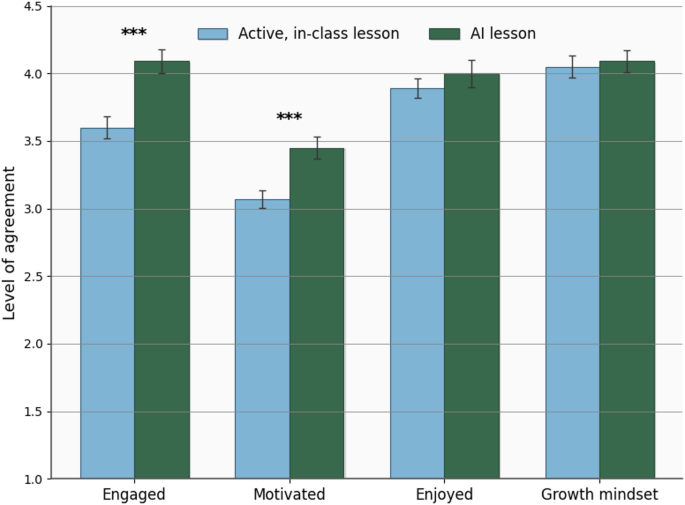
Start Your AI-Powered Learning Today
How to study with AI isn't a nice-to-know skill anymore. It's the baseline requirement for academic success. You now understand the framework: assessment identifies gaps, active learning closes them, and integration solidifies knowledge. You know the daily protocol: morning assessment for 15 minutes, deep work for 45-60 minutes, integration for 15-20 minutes. You've seen the data proving this works.
The question is: are you going to implement this starting tomorrow, or are you going to keep studying the way you've always studied and expect different results?
Eighty-six percent of students are already using AI. The majority of high performers are using it systematically within a framework. The competitive advantage isn't in having access to AI tools. Everyone has that. The advantage is in knowing how to use them strategically.
Start with Ryne's comprehensive resources on how to study with AI effectively. Implement the three-stage framework. Transform your study routine. Watch your grades improve and your study time decrease. This is the future of learning. The question is whether you'll be leading it or following it.
Your next exam, your next essay, your next challenging concept—approach it with this framework. Assess what you don't know. Learn actively with AI guidance. Solidify through integration and communication. If your writing needs refinement, use Ryne's Free AI Humanizer to ensure it communicates your actual mastery.
The tools exist. The framework is clear. The data proves it works. The only variable left is you.


How AI Study Assistants Transform Study Skills
The way students study is broken. Let's be honest about it. They're cramming the night before exams. They're highlighting textbooks and pretending that's learning. They're memorizing facts without understanding concepts. And the system acts like this is normal. Here's what's actually happening: AI Study Assistants are systematically dismantling this broken approach. Not with promises—with measurable, documented results that transform how students study, what they retain, and how well they perform. These AI homework helpers and exam preparation tools aren't supplementary. They're transforming the entire foundation of learning.

Best AI Learning Assistant: The Complete Guide to AI Study Planners
You're still using outdated study methods. Most students and professionals are. They're grinding through hours of textbooks, memorizing without understanding, and hoping something sticks. They're treating study time like prison time—something to endure rather than a strategic system. It's inefficient. It's exhausting. And it's completely unnecessary in 2025.