


AI Writing Helper: Improve Your Writing Instantly

You stare at the blank paper, the cursor keeps blinking. Time flies. The due date for the essay is near. You become bewildered.
recognize it? Every day, millions of people struggle with writing. Whether it’s students at 2 AM getting stuck on essays or professionals unable to finish reports, content writers also hit blocks they never saw coming.
The old way of writing is dead, and nobody is telling you this, except us: the grinding, second guessing of every single word. Hours spent fixing basic grammar, do you really think writers of days gone by could spend such time on annoying little words? Now you can use ai writing helper. It functions. A lot of things are getting impacted.
What Is an AI Writing Helper?
An AI writing helper is a tool powered by artificial intelligence that assists you throughout the writing process. It's not a magic button that does your thinking for you. It's an intelligent assistant that handles the tedious parts—grammar corrections, sentence structure, word choice, and content organization—so you can focus on what actually matters: your ideas.
Think of it like having a writing coach available 24/7. One that never gets tired, never judges, and catches mistakes you'd miss after reading the same paragraph twelve times.
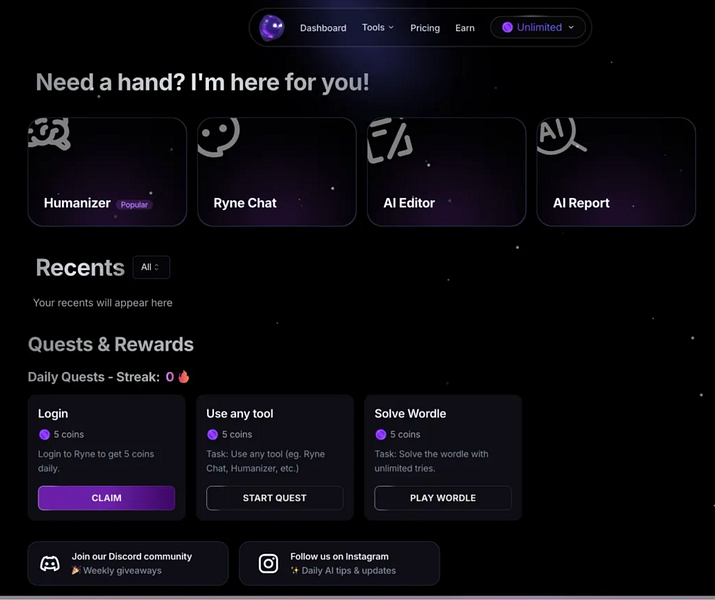
These tools analyze your text using advanced language models trained on massive datasets. They identify patterns, spot errors, and suggest improvements in real-time. Some can generate ideas when you're stuck. Others help you humanize your text so it doesn't sound robotic. The best ones—like Ryne AI Humanizer do all of this while helping you convert AI text into natural, human-sounding writing that flows.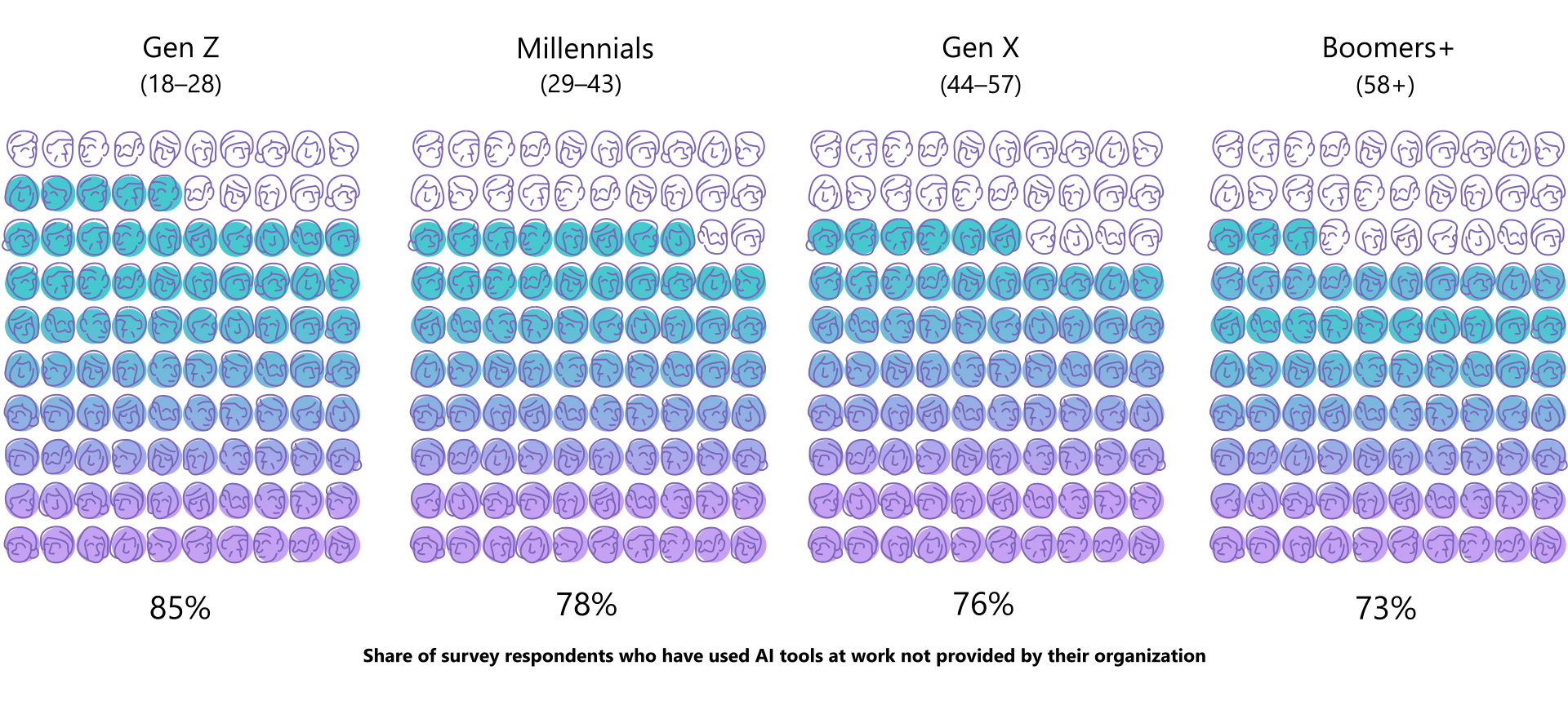
Why You Actually Need an AI Writing Assistant
Let's cut through the noise. Here's what the data shows:
According to a 2024 Microsoft Work Trend Index report, 75% of knowledge workers globally now use AI writing tools—and nearly half started within the last six months. This isn't a trend. It's a shift.
A comprehensive systematic review published in Frontiers in Education (2025) analyzing 136 academic studies found that students using AI writing tools showed significant improvements in text coherence, discursive organization, lexical richness, and argumentation quality. The research confirms what users already know: these tools work.
Here's the breakdown of why an AI writing helper transforms your output:
Speed That Doesn't Sacrifice Quality
Using the traditional writing process wastes time. First drafts take a lot of time. It takes longer to edit. There still takes even longer if one wants to get all.
AI writing assistance rephrases this. According to the Nielsen Norman Group, AI-using business professionals wrote 59% more documents per hour than non-AI-using business professionals. Programmers who used AI coding assistants finished 126% more projects weekly.
You are not ignoring details. You’re Removing Unwanted Friction.
Error Detection Beyond Human Capability
When you write, your brain plays tricks on you. You see what you meant to say, not what you actually said. The same typo got missed five times because your brain focuses elsewhere.
AI writing assistants do not face this issue. It scrutinizes each character, the placement of every word, and every punctuation mark. It flags issues with subjects and verbs not matching, awkward wording, comma splices, and passive voice before anyone sees.
Consistency Across Everything You Write
Whether it’s an essay for school, an email for work, or a more creative piece, it’s hard to maintain that quality when you’re tired. Or distracted. Or just not in the mood.
Your virtual assistant never has bad days. It uses the same tests on your Monday morning email as it does on your Friday afternoon report. When you consistently use short sentences, it shows you clearly communicate your meaning.
How AI Writing Tools Actually Work
When you know how something works, you can use it better. Here's the basic version.
Modern AI writing assistants utilize large language models (LLMs) trained on hundreds of billions of texts. Unlike a typical spellchecker, the tool doesn’t merely reference a dictionary. It examines context, intent, and flow depending on patterns learned from massive amounts of superb quality writing.
Here’s how the procedure works.
- Input Analysis – The AI reads your text and identifies structural elements, sentence boundaries, and grammatical relationships
- Pattern Recognition – It compares your writing against learned patterns of effective communication
- Suggestion Generation – Based on discrepancies between your text and optimal patterns, it generates corrections and improvements
- Contextual Adaptation – Advanced tools adjust suggestions based on your writing style, audience, and purpose
The best tools don't force you into a generic mold. They learn your preferences and enhance your natural voice rather than replacing it.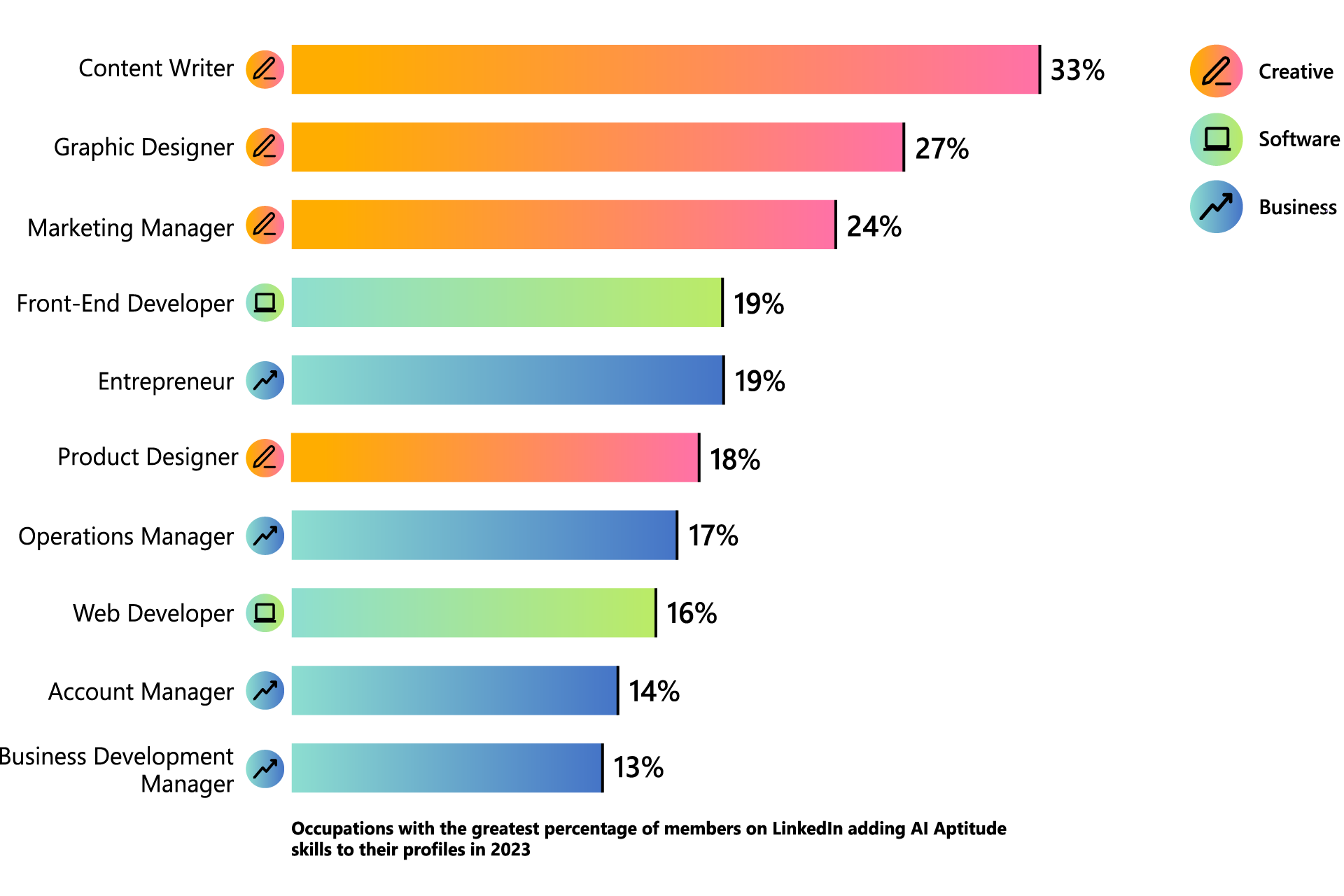
The Top Features to Look for in an AI Writing Helper
Not all writing assistants deliver the same value. Here's what separates the useful tools from the noise:
Grammar and Spelling Correction
The baseline is. All good AI writing assistants can spot typos and mistakes. However, they vary in their accuracy. Essential tools indicate accurate applications as mistakes. Improved tools comprehend context and only meddle when purposeful.
Style and Tone Analysis
Your academic paper should not sound like a tweet. Your casual blog post should not sound like a contract. AI writing assistance of quality makes those distinctions and tailors.
Readability Scoring
There is a place for complex sentences. When a sentence calls for three readings for its sense to register you have lost them. Seek tools offering readability metrics and suggestions for simplifications when need arises.
Plagiarism Detection
Original works matter. Accidentally resembling existing content can cause serious issues in academics and professionals. Plagiarisms checks included in the product to avoid problems.
AI Humanizer Capabilities
At this juncture, things become captivating. With many people getting their first drafts from AI, it is important to humanize the text. Artificial intelligence raw output has a unique “AI voice” – certain rhythms, words and structures that trained eyes spot immediately.
Tools like Ryne AI Humanizer specialize in this area. They help you convert AI-generated content into writing that sounds authentically human. This AI to human conversion isn't about deception—it's about ensuring your final output reflects your voice, not the AI's default patterns.
Who Benefits Most from AI Writing Assistance?
The honest answer: almost everyone who writes regularly. But some groups see particularly dramatic improvements.
Students at Every Level
Students are forever confronted with writing tasks, from school essays to doctoral theses, often under time pressure. A systematic review by Frontiers in Education found that students reported improvements in grammar, vocabulary, ideas and text organization when using AI tools. Studies show less anxiety around writing tasks, more importantly.
Research shows that feedback using AI improves writing development and motivates students and students prefer mixed feedback that uses both AI-based suggestions and human instruction. It's not taking away from learning.
Need help improving your academic writing? Check out our guide on how to improve academic writing with AI tools.
Content Creators and Marketers
Writing at scale is brutal. When you need consistent output across blog posts, social media, email campaigns, and ad copy, quality control becomes a nightmare. AI writing helpers maintain standards across all your content while dramatically reducing production time.
Business Professionals
Reports. Proposals. Emails. Presentations. The professional world runs on written communication, and unclear writing costs money—lost deals, confused teams, wasted time clarifying what you meant.
An AI text editor ensures your professional communication hits the mark every time.
Non-Native English Speakers
Writing in a second language adds friction that native speakers never experience. AI writing helpers level this playing field by catching errors that feel natural to write but sound awkward to native readers. They help with idiom usage, article placement, and the subtle conventions that take years to internalize naturally.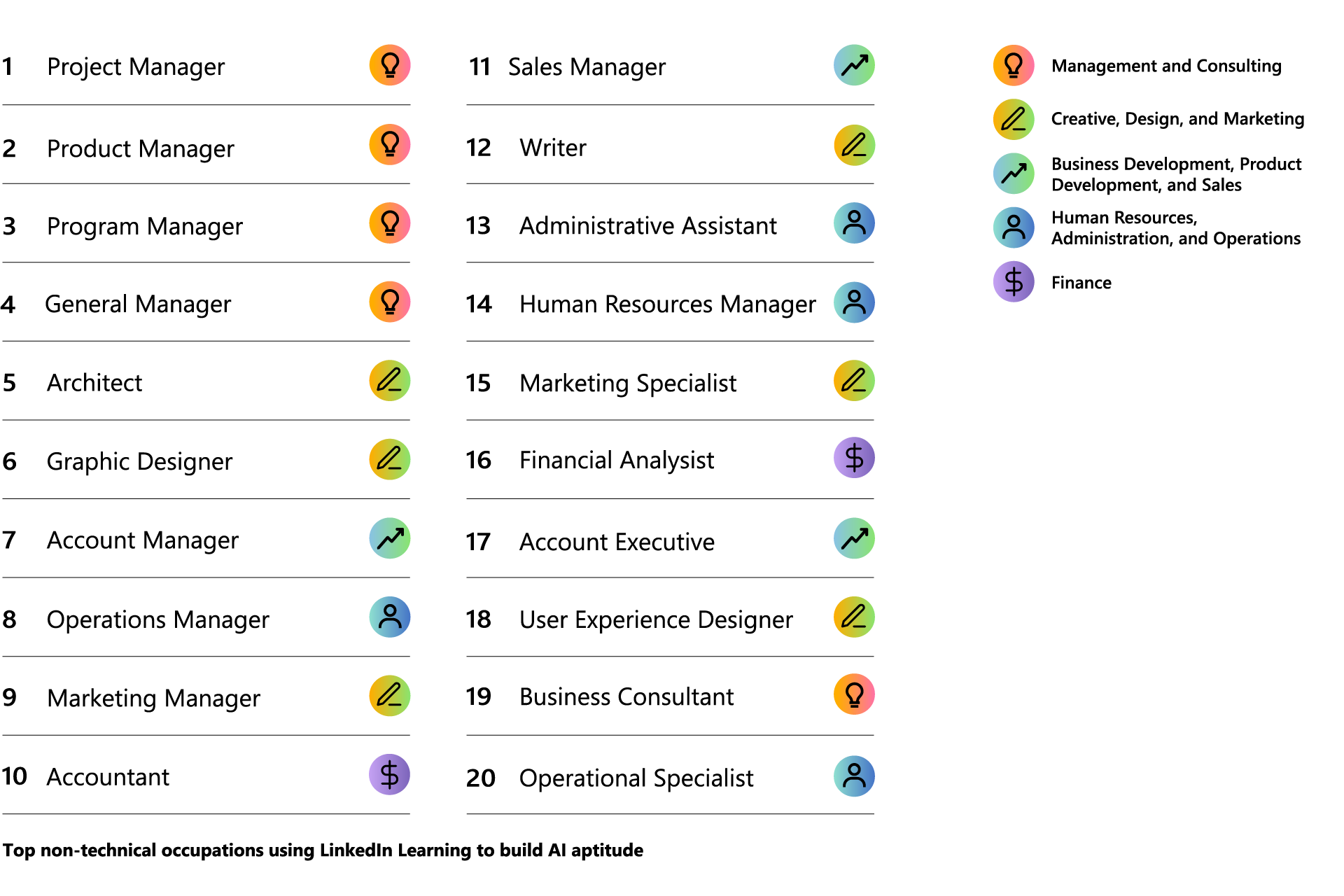
How to Use an AI Writing Tools Effectively
Having the tool isn't enough. Here's how to extract maximum value:
Start with Your Own Draft
Most common error? Relying on AI to create superior content from scratch. AI performs at its highest best enhancing human creativity. Share your ideas even if they are not final. Use the AI to finalize, correct, and polish texts.
This technique will enhance your output while keeping your tone authentic. That's the aim: writing that sounds just like you, only better.
Understand the Suggestions, Don't Just Accept Them
Blind acceptance defeats the purpose. When your AI writing helper suggests a change, understand why. This builds your skills over time. Eventually, you'll make fewer of the same errors because you've learned from the corrections.
Use Multiple Passes for Different Purposes
First pass: grammar and spelling. Second pass: sentence structure and flow. Third pass: overall readability and tone. Separating concerns helps you focus and prevents overwhelming suggestion overload.
Always Review the Final Product
AI is powerful but not perfect. It occasionally suggests changes that alter your intended meaning or miss context-specific nuances. You remain the final authority on your writing. Review everything before submission.
Improve Your Writing Now with Ryne AI →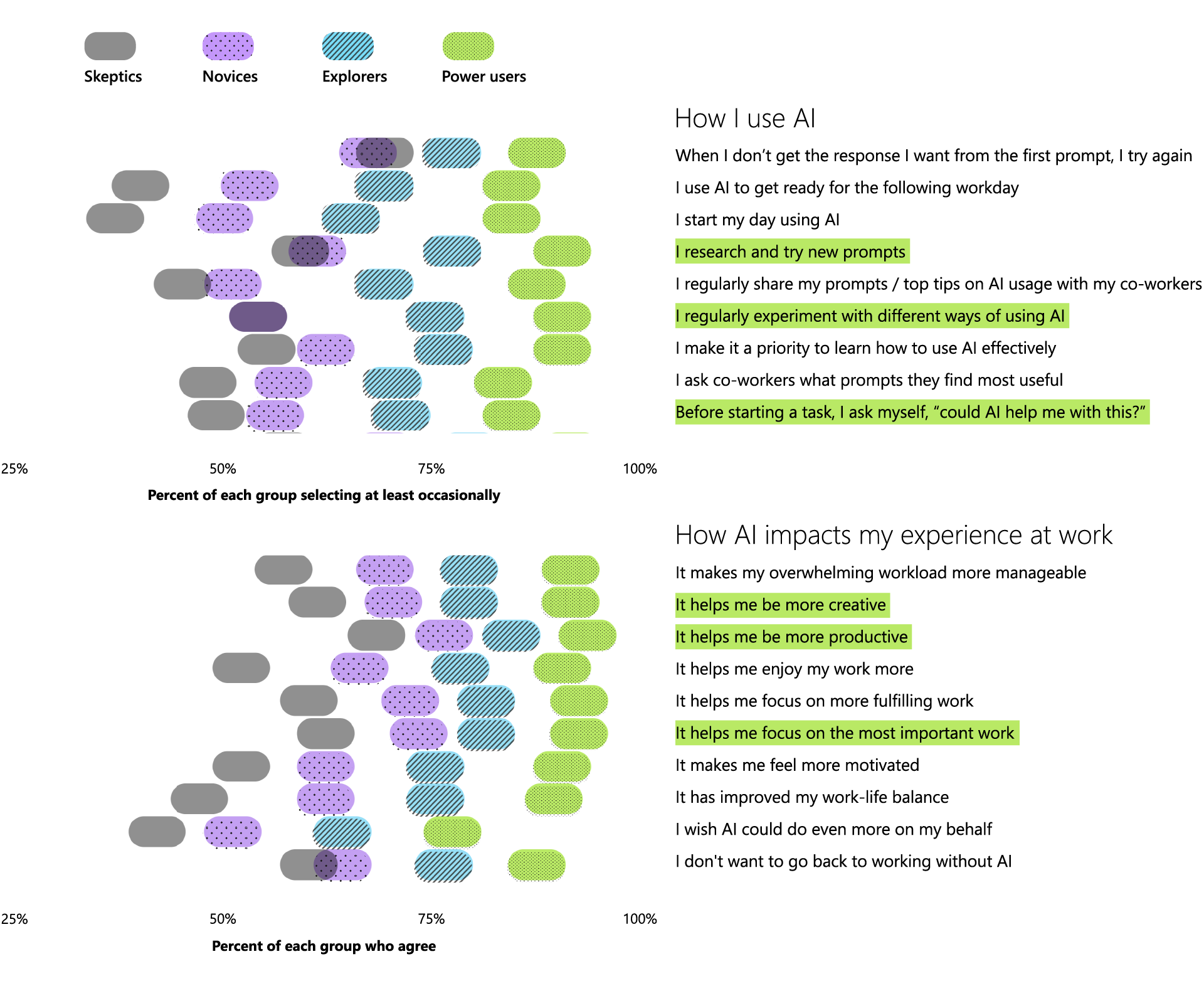
The Ethics and Authenticity Question
Let's address the elephant: Is using an AI writing helper cheating?
TThis question has been widely examined by the research community The Frontiers in Education review notes that there is no longer any call for prohibition - either advisable or feasible - but rather transparency. Tools aren't the problem; it's failing to acknowledge their part that is.
Just like spell-checkers, they irked some writers when they came. They said it would ruin students' spelling skills. Nobody regards using a spell check as unethical. AI writing support is the next evolution.
The technology's use differs between HCI and AI. (10 words) Would you like to enhance your ideas with the help of AI? That's a skilled upgrade. Is it fine to submit AI-generated content as our own? That's incorrect.
The majority of users belong to the first group. They employ artificial intelligence to revise drafts, detect errors and enhance clarity. The Concepts Remain Their Own It is their own thinking. The AI takes care of the mechanical polishing that would take hours otherwise.
When your content originates from AI drafts, tools that help you humanize the text ensure the final product reflects human thought patterns. Ryne AI's Free AI humanizer specifically addresses this, helping you change AI language to human language that reads naturally and passes detection tools—not to deceive, but to ensure your output meets quality standards.
AI Writing Helper vs. Traditional Proofreading
Some argue human proofreaders remain superior. Here's the honest comparison:
| Aspect | AI Writing Helper | Human Proofreader |
|---|---|---|
| Speed | Instant | Hours to days |
| Availability | 24/7 | Limited hours |
| Cost | Low/free options available | $25-50+ per hour |
| Consistency | Always applies same standards | Varies by tiredness, mood |
| Context Understanding | Improving but imperfect | Superior nuance detection |
| Scalability | Handles any volume | Limited capacity |
| Feedback Learning | Immediate | Delayed |
The reality? The best approach often combines both. Use AI for immediate, comprehensive error checking and efficiency. Bring in human reviewers for high-stakes documents where contextual nuance matters most.
For daily writing tasks—emails, reports, blog posts, assignments—AI alone typically suffices. The cost-benefit equation overwhelmingly favors automated assistance.
Choosing the Right AI Writing Platform
The market overflows with options. Here's how to evaluate them:
Consider Your Primary Use Case
Academic writing needs differ from business communication, which differs from creative writing. Some platforms specialize. Others attempt broad coverage. Match the tool to your main requirements.
For students specifically, explore our recommendations on the best AI writing assistant for students.
Evaluate the Learning Curve
Complex tools with steep learning curves often get abandoned. Look for intuitive interfaces that deliver value immediately while offering advanced features for when you're ready.
Test Free Versions Before Committing
Most reputable AI writing tools offer free tiers or trials. Use them. Get real experience with your actual writing before paying. What works for reviewers might not match your workflow.
Check Privacy Policies
You're potentially feeding sensitive content into these systems. Understand data handling policies. Some tools train on user input; others keep your content completely private.
Look for Undetectable AI Capabilities
If you're working with AI-generated drafts, you need tools that can help transform AI text into undetectable AI output—content that reads as authentically human. This matters increasingly as detection tools proliferate.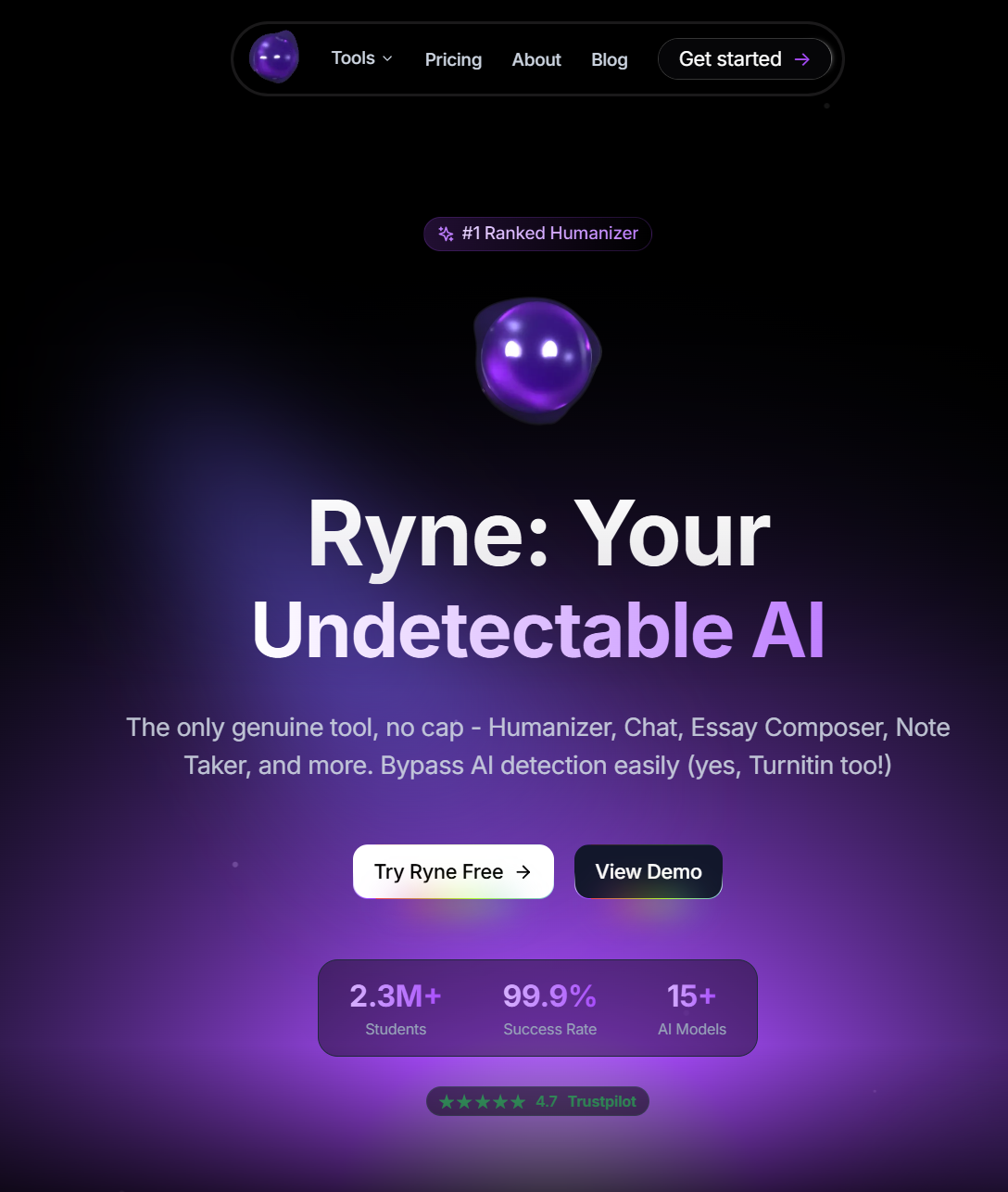
Common Mistakes When Using AI Writing Assistant
Avoid these pitfalls to get the most from your tool:
Over-Reliance Leading to Skill Atrophy
The research warns against this. Students who blindly accept every AI suggestion without understanding why may develop dependency that hinders long-term learning. Use AI as a teacher, not a crutch.
Ignoring Context-Specific Needs
Generic AI suggestions don't always fit specialized contexts. Technical writing, legal documents, and creative pieces have conventions the AI might not recognize. Stay aware of domain-specific requirements.
Forgetting the Human Review
AI output requires human oversight. Always. Review everything before sending, submitting, or publishing. The tool assists; you decide.
Accepting First Suggestions Without Exploration
Many AI writing helpers offer multiple alternative suggestions. The first isn't always best. Explore options to find improvements that truly enhance your writing.
The Future of AI Writing Assistance
The technology advances rapidly. Here's where things are heading:
Deeper Personalization – AI will learn your individual style more precisely, offering suggestions that enhance rather than homogenize your voice.
Better Context Understanding – Improvements in understanding document purpose, audience, and tone will make suggestions more relevant and useful.
Seamless Integration – Expect AI writing assistance embedded directly into every platform where you write, eliminating the need to copy-paste between tools.
Enhanced Collaborative Features – Teams will use AI to maintain consistent voice across multiple writers while preserving individual strengths.
Organizations that adapt to these tools now gain competitive advantages. Individuals who master AI-assisted writing position themselves for a future where this becomes standard practice.
Getting Started Today
You've read this far. You understand the value. Here's your action plan:
- Choose a tool – Ryne AI offers comprehensive AI writing help with specialized features for humanizing AI text
- Start with low-stakes writing – Practice on emails or personal projects before applying to critical documents
- Learn from the corrections – Understand why changes are suggested, not just what changes are suggested
- Build the habit – Consistent use builds skill and efficiency over time
- Expand gradually – As comfort grows, apply AI assistance to increasingly important writing
Writing doesn't have to be painful. The struggle against blank pages and grammar uncertainty belongs to a previous era. Modern tools exist. They work. They're accessible.
The question isn't whether AI writing helpers represent the future of writing. They're already the present for 75% of knowledge workers. The question is whether you'll use them to your advantage or let them benefit everyone except you.
Transform Your Writing with Ryne AI — Try Free Now →
Frequently Asked Questions About AI Writing Helpers
What is an AI writing helper and how does it work?
An AI writing assistant is software that eases the process of writing through the use of artificial intelligence. To fix your errors and make corrections and improvements based on context, it processes your writing through language models trained on billions of text samples.
Can AI writing helpers improve my grammar instantly?
Yes. AI writing tools provide real-time grammar checking as you type or when you paste text. They identify errors including subject-verb disagreement, punctuation mistakes, and awkward phrasing, offering immediate corrections that improve your writing instantly.
Is using an AI writing assistant considered cheating?
It's fine to use AI to boost your writing, much like using spell-check or checking a thesaurus. Submitting AI-generated content as fully original work without declaring that it was AI-generated raises an ethical issue only. Most users use AI to enhance their drafts instead of replacing their thoughts.
How do I humanize AI-generated text?
To humanize the text from AI outputs, use specialized tools like Ryne AI'shumanizer that analyze AI writing patterns and transform them into natural human expression. This involves varying sentence structure, adjusting word choice, and removing telltale AI rhythms.
Are free AI writing helpers effective?
Using artificial intelligence (AI) to improve your writing is normally accepted activity. Just the same as using a spell-check or a thesaurus, it makes sense to use a computer program designed to write your essay or article. It is unethical only if one submits content generated by AI as unique content without disclosing it. Most users use AI to make their drafts better and not think for them.
Will AI writing tools replace human writers?
AI writing helpers enhance human capability rather than replace it. They handle mechanical tasks like error correction and formatting while humans provide ideas, creativity, and strategic thinking. The combination produces better results than either alone.


Top AI Writing Assistants for Students (2026)
Writing papers in college feels like running a marathon you didn't train for. You're juggling deadlines, drowning in research, and expected to produce university-level work while still figuring out how to do laundry. The system sets you up to fail, then punishes you when you can't keep up.

How to Improve Academic Writing with AI Tools
You’re already aware of the rigged game. Professors expect perfect publication ready papers. Things are getting busy at a fast rate. And the truth that is never spoken? Students who are doing well are not necessarily more intelligent. Using an AI writing assistant changes everything about your academic writing, but only if you know how to use one without detection software and one that doesn’t sound like a robot when detected.