


Best AI Writing Tools & Software for Every Use Case

You are still starting from scratch for every email, blog post and report. On the other hand, your competitors have the ability to publish 3x content in 50% of the time. The rules shifted. You didn't pay attention.
AI writing tools have become commonplace. It will either determine how you scale your output or get buried by those who have. The best AI writing software will accelerate your thinking process, remove busywork and produce actual results content rather than just words.
The reality is that hundreds of AI content generators are entering the market today. In fact, 90% of them are nothing but a wrapper on the same thing. Forget the noise, and read this. Our team has evaluated, contrasted and listed out the best rated AI writing tools available in the market for essay help, blog creation, professional copywriting and more.
What Are AI Writing Tools and Why Do They Matter?
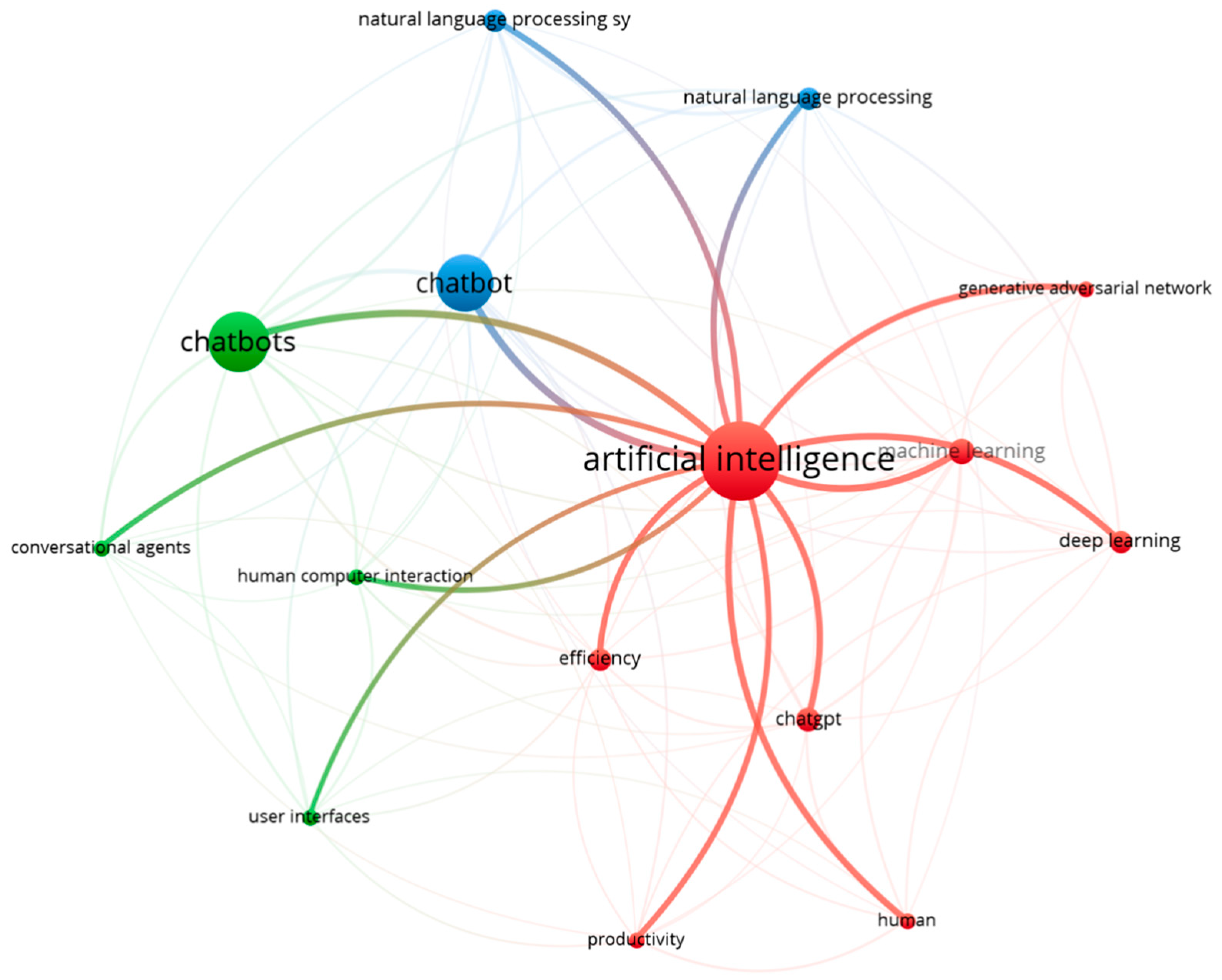
AI writing tools are applications powered by large language models (LLMs) that can produce, edit, tweak, and optimize text. These writing assistant AI programs examine patterns in human language using billions of text samples. After that they create unique content based on your prompts.
The top AI writer platforms are powered by Natural Language Processing (NLP) technology and the same machine learning algorithms used on a massive scale. When a prompt is received, the AI does not duplicate it. It predicts the most appropriate words and phrases that could fit the context to generate new text.
This matters because the old way of content creation—staring at blank documents, agonizing over first drafts, spending hours on revisions—is wildly inefficient. According to a 2024 study published in Computer Methods and Programs in Biomedicine Update, AI significantly supports academic writing and research in idea generation, literature synthesis, editing, and publishing.
The productivity gains aren't theoretical. A landmark 2023 study published in Science by researchers Noy and Zhang found that ChatGPT substantially raised productivity in professional writing tasks. Average completion time decreased by 40% and output quality rose by 18%. The study also revealed that workers with weaker initial skills benefited the most from AI assistance.
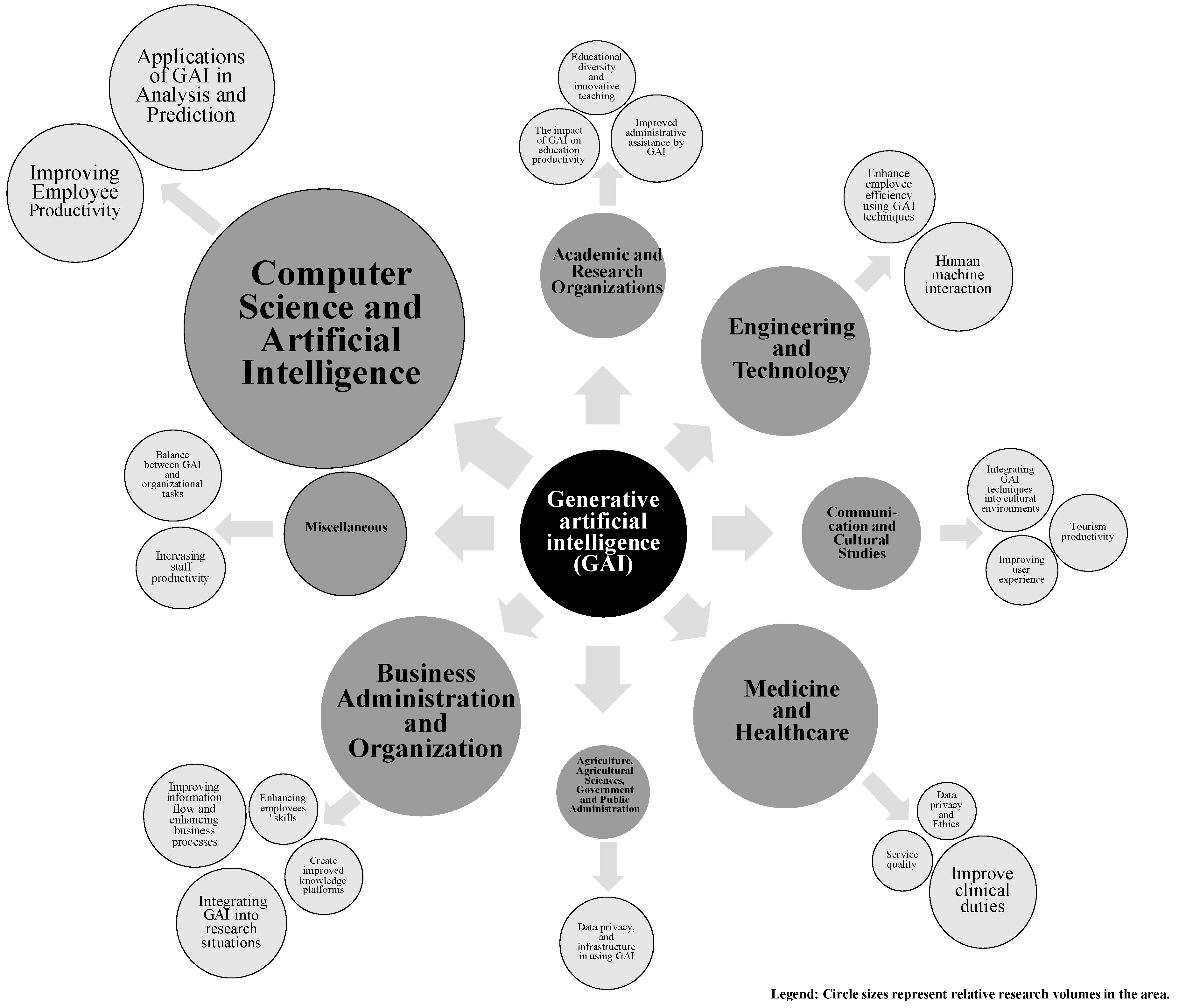
Beyond individual gains, a comprehensive literature review in Sustainability analyzing 159 research publications found robust evidence of AI enhancing institutional performance across sectors. These sectors include academia, research, technology, communications, and business. The trend is accelerating—and those who don't adapt will fall behind.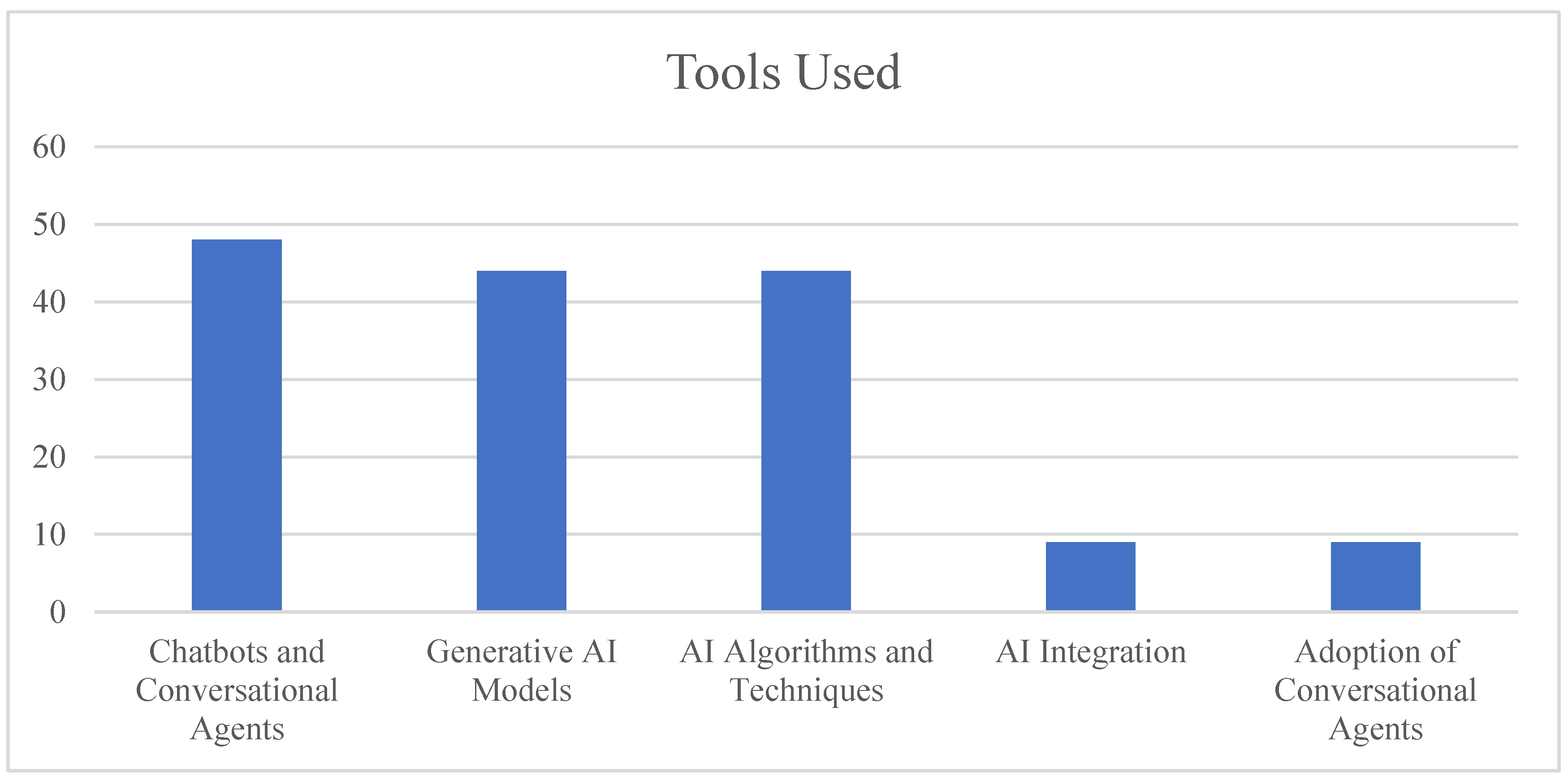
Why You Need an AI Writing Tool in 2026
The writing landscape has fundamentally shifted. Here's what separates those who adopt AI writing software from those who don't.
Speed Without Sacrifice
The best AI content generators produce first drafts in seconds. Not minutes—seconds. A 1,500-word blog post outline that used to take an hour? Done in under a minute.
The editing and refinement still require human judgment, but the heavy lifting is automated. Research consistently shows that professionals using AI tools complete writing tasks significantly faster while maintaining quality standards.
Consistency at Scale
Maintaining brand voice across hundreds of content pieces is nearly impossible with human writers alone. AI writing platforms learn your style, tone, and preferences. They then replicate them consistently across every piece of content you produce. This consistency builds brand recognition and reader trust over time.
Cost Efficiency
Hiring writers, editors, and proofreaders for every piece of content adds up fast. AI writing tools handle initial drafts, grammar corrections, SEO optimization, and style suggestions—all for a fraction of the cost. For startups and small businesses, this levels the playing field against larger competitors with deeper pockets.
Overcoming Creative Blocks
Writer's block is expensive. Every hour spent staring at a cursor is an hour not producing content that drives revenue. AI eliminates the blank-page paralysis by generating starting points, outlines, and variations you can build from.
Multilingual Capabilities
The best AI writers support 25+ languages, enabling global content strategies without hiring native speakers for every market. This opens international opportunities that were previously cost-prohibitive for most businesses.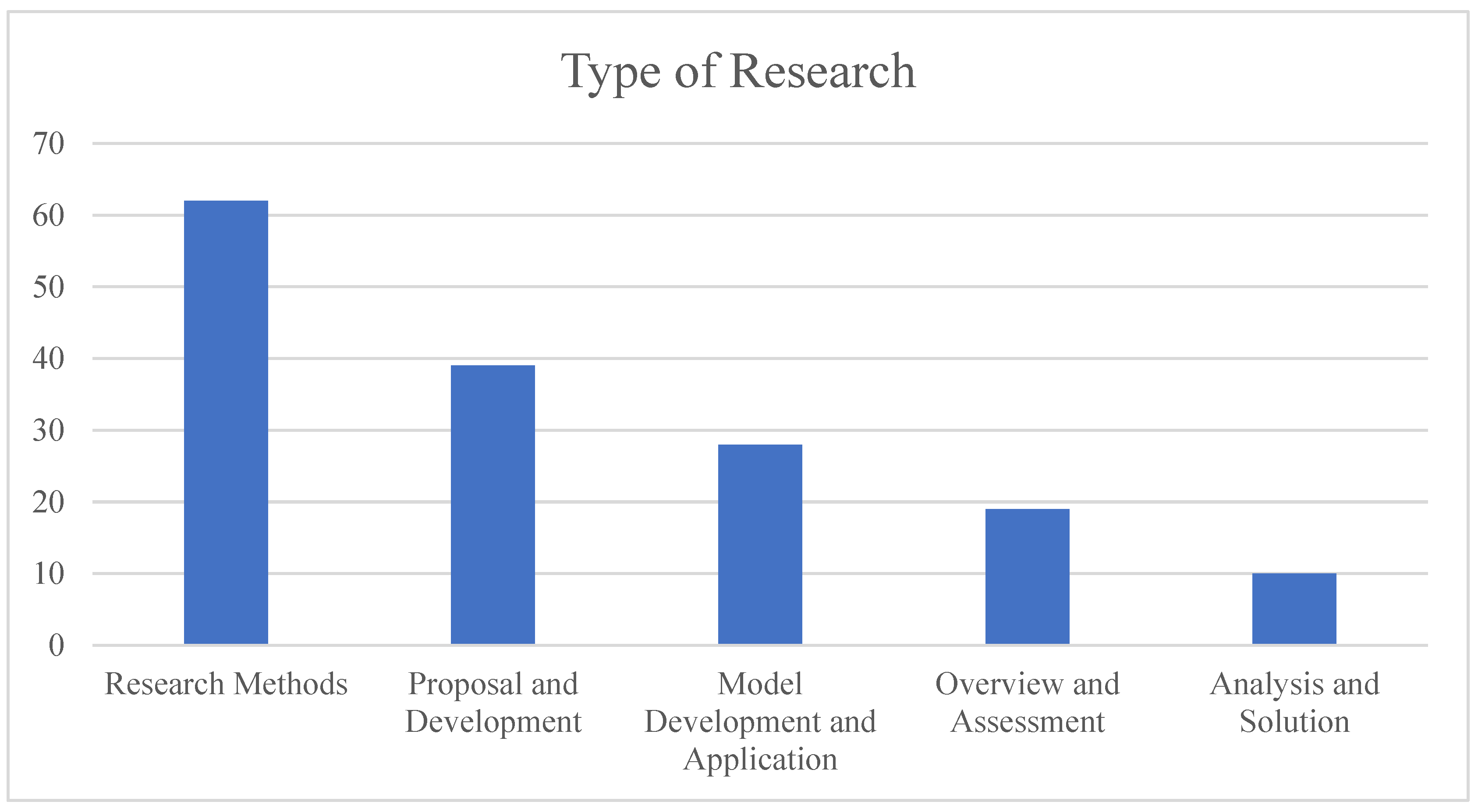
Top AI Writing Tools Compared: Finding Your Perfect Match
Not every AI writing tool serves every purpose. Some excel at long-form content, others dominate short-form copy, and a few specialize in niche applications. Here's the breakdown by category.
Best Overall AI Writing Platform: Ryne AI
When you need a complete AI writing platform that handles everything from essay writing to content creation to making your AI text undetectable, Ryne AI Humanizer stands alone at the top.
What separates Ryne from generic AI content generators is its integrated approach. Most platforms give you raw AI output that screams "robot wrote this." Ryne's AI humanizer solves the core problem every writer faces: producing AI-assisted content that reads like a human actually wrote it.
Having the option of doing humanization inside the tool either AI to human quality text or any AI detection tool will be bypassed. The platform consists of multiple functions that competitors charge for.
- AI can generate various types of text including blogs, essays and marketing copy.
- The automatic AI-humanizer will help you skip AI detection when appropriate in your workflow.
- We will ensure accuracy in grammar and style to produce a polished work every time.
- Creating content in a manner that is SEO-centred.
- Get academic formatting and citation referencing service for students and researchers.
The premier AI writing tool for students, specifically, Ryne.ai is for essay structure and research integration. The platform guarantees that your work will not be flagged by the AI detection tools that your professors are certainly using.
Pricing: Free tier available; premium plans for high-volume users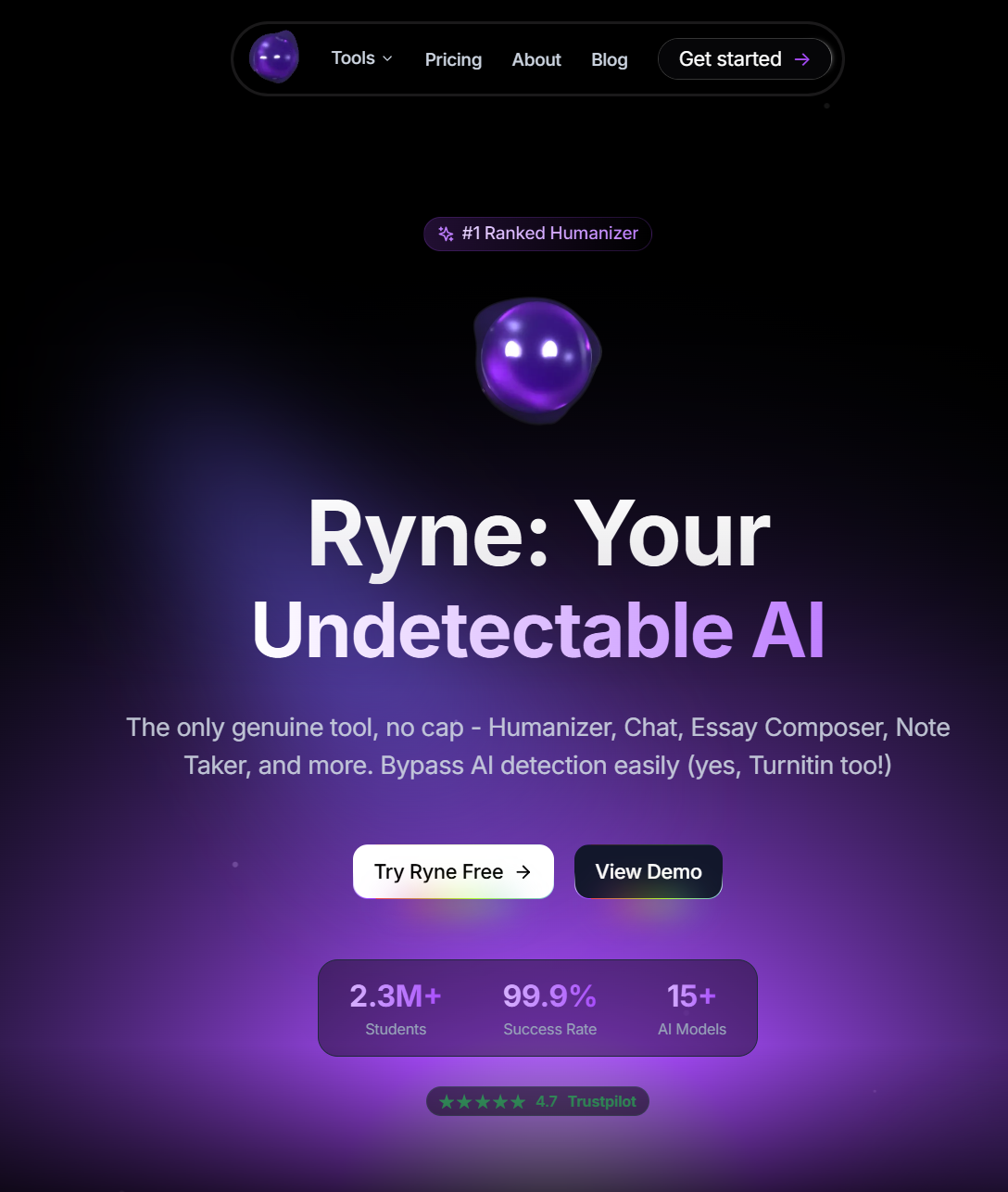
Best for SEO Content: Surfer SEO
Real time SEO analysis and AI writing is what Surfer SEO does. The platform analyzes the content of top-ranking web pages for your target keywords. It subsequently instructs your AI-generated material to match or surpass those standards.
The content editor scoring mechanism is based on points. As you create a piece of content, Surfer checks keyword density, heading structure, word count, and semantic coverage against your competitors. Outcome: content that’s engineered to rank, not just content.
Surfer’s major advantage is its data-driven approach. You are working with real competitive intelligence, rather than guessing what search engines want. The platform reveals the strategies and tactics that top performers use to achieve their goals.
Best For: Content marketers, SEO specialists, agencies managing multiple client blogs
Pricing: Starting at $69/month
Best Budget Option: Rytr
Rytr supplies the basics without costing a premium. With over 40 templates for blog posts, email copy, product descriptions and ad copy, it can do most standard writing jobs for a fraction of the price of the competition.
The tool provides over 30 languages and gives plagiarism checking on all plans. You won’t receive advanced SEO tools or collaboration features. However, for solo writers and micro businesses with an eye towards volume, Rytr lifts the cost barrier on AI writing.
The interface is neat and engaging. Choose a use case, provide some context, and generate your content. While it may not be top of the line, it is beginner-friendly and accessible.
Best For: Freelancers, solopreneurs, small businesses on tight budgets
Pricing: Free plan with 10,000 characters/month; Premium at $9/month
Best for Long-Form Content: Jasper
Jasper attracted more than 100,000 users including big brands like AirBnB, Intel and Verizon. The platform has a knack for generating long-form pieces that use a singular voice even across hundreds-of-thousands of words.
The Brand Voice tool automatically adopts your unique brand style based on the content you already have. With over 50 templates and an API for integration with your existing stack, Jasper is built for enterprise teams producing content at scale. It remembers context across chats, which helps to stay on track.
Marketing teams running multiple campaigns save a lot of time with the workflow automation features. Craft templates for content types you plan to use repeatedly, set your branding guidelines once, and let the AI do the heavy lifting.
Best For: Marketing teams, content agencies, enterprise brands
Pricing: Starting at $39/month; Team plans at $99/month

Best for Academic Writing
Scholarly writing can be difficult because of proper citation formatting, scholarly tone, plagiarism, and now more and more passing AI detection. Students and researchers require tools to meet all four challenges.
Academic writing services are those who know how a scholarly content looks like and uses it to generate content suitable for academic target audience. Furthermore, they can humanize the AI speech to human quality speech. This matters because AI detection is being done by institutions.
The best academic AI writing tools can detect specific citation formats related to a discipline. They operate in the fields of humanities, science and social sciences. The unique feature is the ability to humanize the generation of text as opposed to relying solely on software which creates undetectable AI content.
Best For: Students, researchers, academic professionals

Best for Copywriting: Copy AI
Copy.ai does focus on marketing copy but does a lot more. With more than 45 formats for email subject lines, ad copy, product description, and social media posts, it is designed for marketers to produce at scale.
The software italicizes your writing style with their Brand Voice tool and maintains the same tone in all the content generated. Marketing teams find it easy to use due to its clear interface and intuitive workflow. Running multiple campaigns at the same time.
A strong aspect of Copy.ai is eliminating the repetitive task of writing variations. Want 10 different catchy headlines? Create them in moments. Looking to A/B test your email subject lines? Instantly make lots of versions.
Best For: Marketing teams, e-commerce brands, advertising agencies
Pricing: Free plan with 2,000 words/month; Pro at $49/month for unlimited words
Best Free AI Writing Tool: ChatGPT
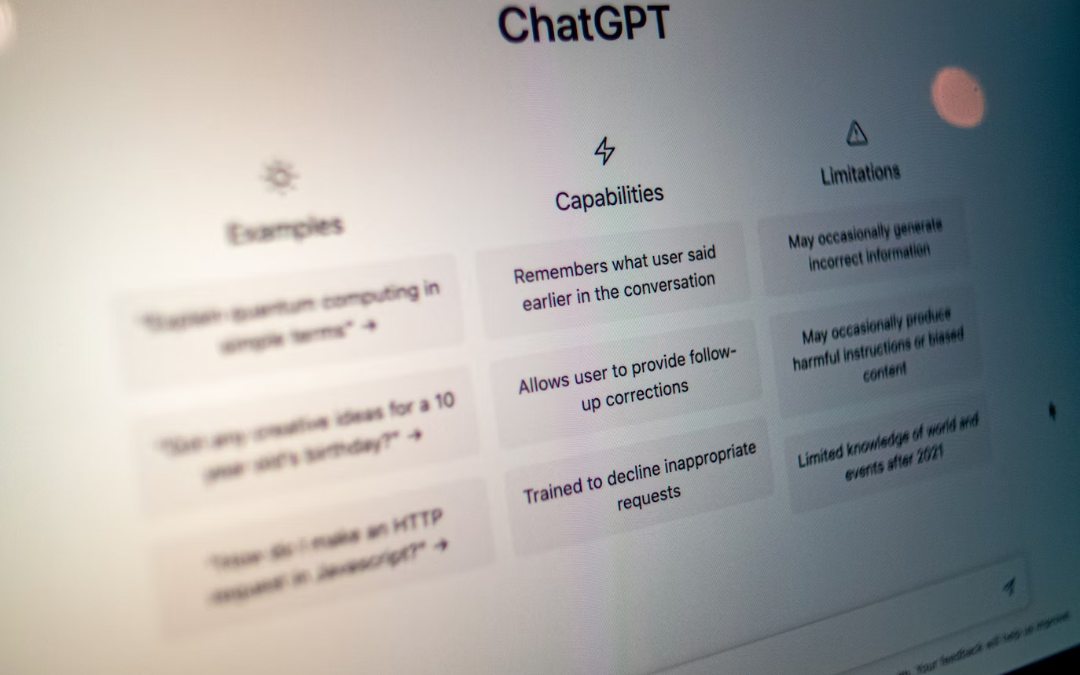
OpenAI's ChatGPT is still the easiest way to get access to an AI writer. With the free tier, you can chat with GPT-3.5 as much as you want. This means you can use it to brainstorm ideas, or generate a full draft for you.
Limitations: ChatGPT is a generic chatbot, not writing mail specialinks software. You won't receive SEO optimization, plagiarism checking, or built-in humanization to avoid AI detection. In order to get those features, you need AI writing platforms that are purpose built.
Making use of ChatGPT is a great option for brainstorming, collating research, and agreeing on an angle. Treat it as an idea generator. Once you have the concept down, move to the appropriate tool for production.
Best For: Brainstorming, research, casual content creation
Pricing: Free; Plus at $20/month for GPT-4 access
AI Writing Tools Comparison Table
| Tool | Best For | Starting Price | Free Plan | AI Humanizer |
|---|---|---|---|---|
| Ryne.ai | Overall/Academic | Free tier | ✓ | ✓ |
| Surfer SEO | SEO Content | $69/mo | ✗ | ✗ |
| Rytr | Budget Users | $9/mo | ✓ | ✗ |
| Jasper | Enterprise | $39/mo | Trial | ✗ |
| Copy.ai | Copywriting | $49/mo | ✓ | ✗ |
| ChatGPT | General Use | Free/$20 | ✓ | ✗ |
| Grammarly | Editing | $12/mo | ✓ | ✗ |
How to Choose the Right AI Writing Tool
Selecting the best AI writer for your needs comes down to three factors: use case, budget, and output requirements.
Step 1: Define Your Primary Use Case
Marketing copy, product descriptions, blog posts, or academic essays you are writing? Each of these categories has different types of AI. Content marketers require SEO integration. Students require assistance with citations and humanizing. To write effectively, copywriters need variety and training in brand voice.
Step 2: Assess Volume Requirements
Free AI tools are fine if used infrequently. When you’re generating dozens of pieces each month, having a word limit on free plans can drain your finances and reduce your output. Before signing up, determine your real requirements on a monthly basis. Take into account current volume and then growth.
Step 3: Evaluate Humanization Needs
This is the factor most people ignore until it’s too late. You need built-in humanization capabilities if your content will be assessed by AI and other detection tools. When you can modify AI language to human language without leaving your workflow, you generate content that sounds natural and passes detection.
Step 4: Test Before Committing
All credible platforms will have free trial or free tier. Utilize them. Create real content for your unique application and measure its quality against what you'd produce on your own. The ultimate writing assistant is not the one with the best marketing, but the one that improves your output.
Common Mistakes When Using AI Writing Software
Even the best AI content generators produce subpar results when used incorrectly. Here's what separates effective AI writers from those who claim "AI doesn't work."
Publishing Raw Output
AI generates drafts, not finished content. Treating AI output as publication-ready is how you end up with generic, repetitive, obviously-automated content. Every AI draft requires human editing, fact-checking, and refinement.
Ignoring Humanization
Raw AI text carries detectable patterns. If your audience or platform uses AI detection, unprocessed AI content gets flagged. Humanize the text before publication to convert AI to human-quality prose. This step takes seconds but prevents significant problems down the line.
Skipping Fact-Checking
AI models hallucinate. They generate confident-sounding statements that are factually wrong. Every statistic, quote, and factual claim in AI-generated content requires verification against primary sources.
Using Generic Prompts
"Write a blog post about AI" produces generic content. Detailed prompts specifying audience, tone, structure, key points, and desired outcomes produce dramatically better results. The quality of AI output directly correlates to prompt quality.
Neglecting SEO Basics
AI can generate readable content that ranks nowhere because it ignores search intent. Pair AI writing tools with SEO analysis—either built-in or separate research—to ensure your content targets actual search demand.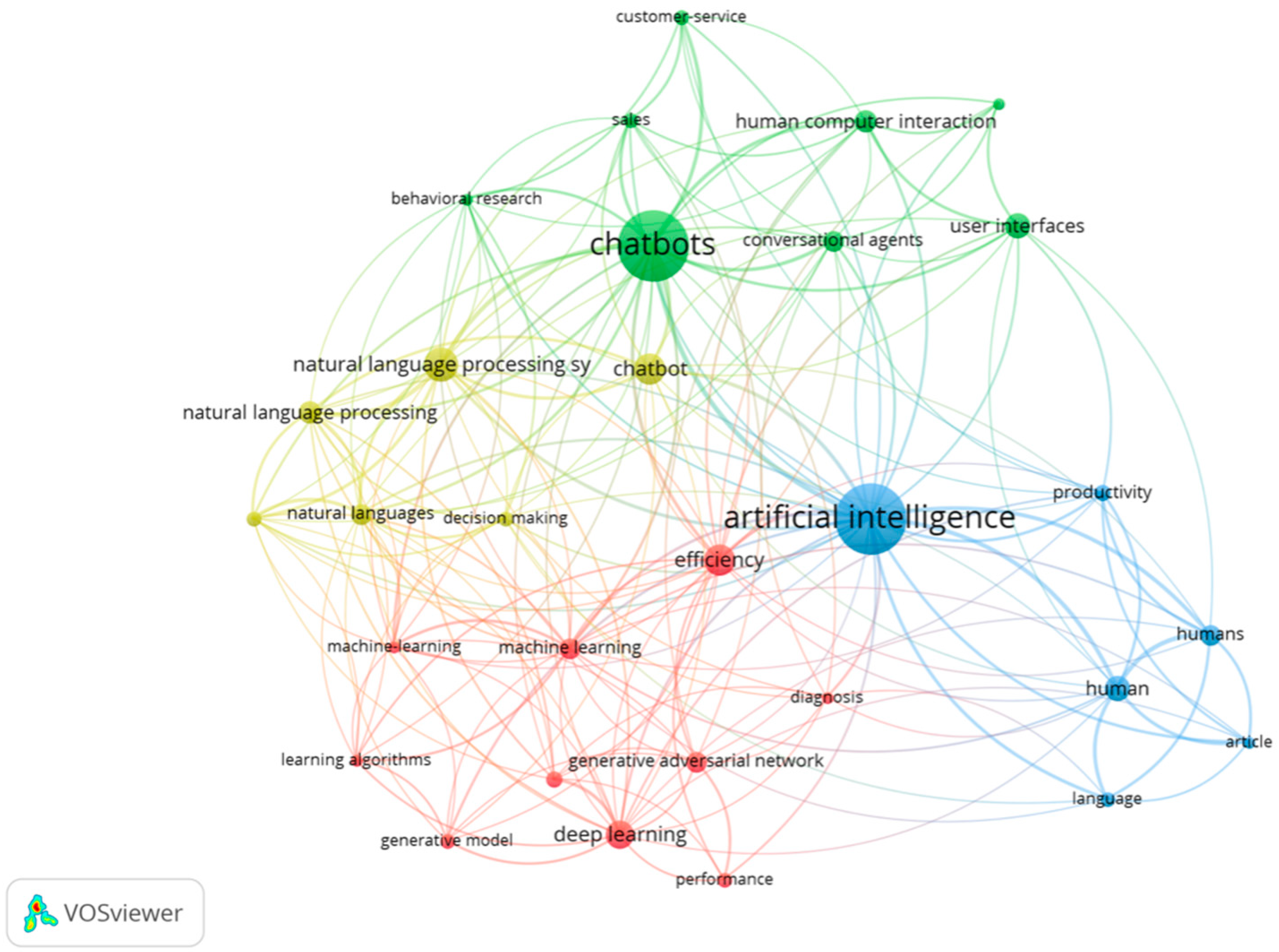
The Ethical Dimension of AI Writing
When we speak about AI for academic and professional or commercial use, there is a reference to ethics. AI tools are amplification devices; they do not replace workers.
Creating original ideas, structuring arguments, or producing first drafts using AI is no different than using calculators for maths or spell-checkers for grammar. The tools improve the capacities of humans; they do not replace humans.
Concerns centre on misleading information and lack of transparency. Submitting AI-generated work for a human-created piece is dishonest especially in academic environments with such rules. But using AI as a writing assistant while retaining ownership over ideas and final quality? This is simply smart work.
It is important to know your context. Different academic institutions have differing policies about AI. Throughout the working environment, efficiency is commonly accepted. Use humanization tools when content needs to read more humanly, and adjust your approach as necessary.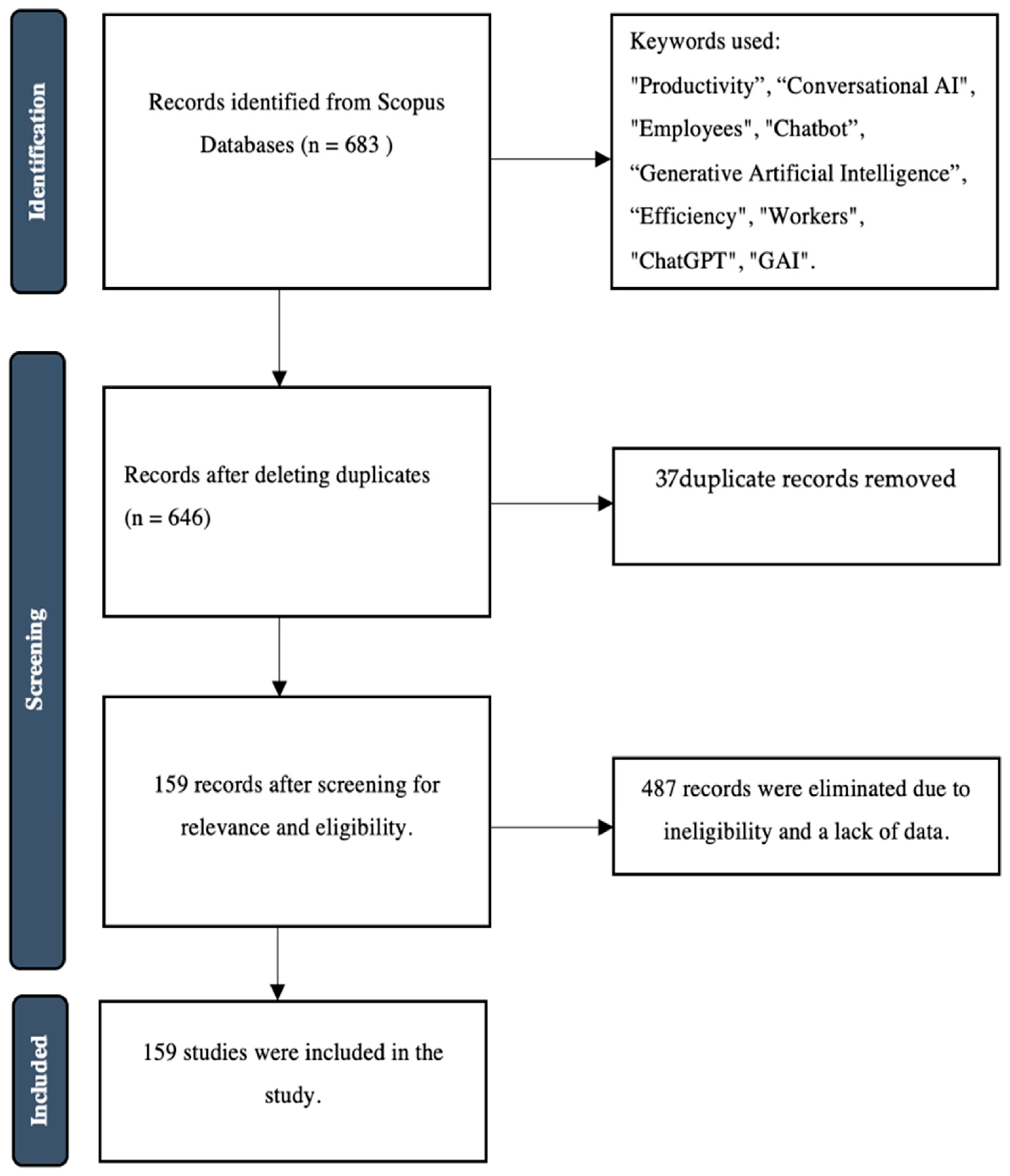
Frequently Asked Questions About AI Writing Tools
What is the best AI writing tool in 2026?
The best AI writing tool depends on your specific needs. For overall functionality including content generation and humanization, Ryne.ai leads the field. For SEO-focused content, Surfer SEO integrates optimization directly into writing. For budget-conscious users, Rytr provides essential features at minimal cost. Evaluate based on your primary use case.
Are AI writing tools safe for academic use?
AI writing tools are safe when used responsibly. Most educational institutions prohibit submitting AI-generated content as original work without disclosure. However, using AI for brainstorming, outline generation, and editing assistance is generally acceptable. The critical factor is humanizing AI text and ensuring all ideas represent your own analysis.
Can AI-generated content be detected?
Yes. Multiple AI detection tools exist specifically to identify machine-generated text. Turnitin, Copyleaks, and GPTZero analyze patterns typical of AI output. To bypass AI detection, content requires humanization—transforming the text to remove detectable AI patterns while maintaining meaning.
Is AI writing software free?
Many AI writing tools offer free tiers with limited functionality. ChatGPT provides unlimited free conversations. Rytr offers 10,000 free characters monthly. Premium features—higher word limits, advanced SEO tools, team collaboration—typically require paid plans ranging from $9-$99 monthly.
Will AI replace human writers?
No. AI writing tools amplify human capabilities rather than replacing them. AI generates drafts and handles repetitive tasks; humans provide strategy, creativity, fact-checking, and editorial judgment. Writers who learn to leverage AI become more valuable, not obsolete.

The Bottom Line on AI Writing Tools
The writing world went two ways with AI. Some writers began using AI technology to multiply their output while others fell behind while insisting on doing everything manually. The greatest AI writing tools are not replacing authors. They are remarkably enhancing the productivity of skilled writers.
Finding the right tool for the right application is the key. Humanization capabilities are must-haves for students and educators to help switch AI text to human-readable detection passing text. Marketers require training for SEO integration and brand voice. Budget-friendly creators require free tiers that don’t compromise value.
The gap between AI-assisted writers and purely manual writers has been growing wider every month, no matter your use case. Tools are available. The findings confirm their effectiveness. Will you put them to good use?
Start Writing Smarter with Ryne AI Free Humanizer→

Nathan Park
Data Scientist
Keep reading

Top AI Writing Software for Content Creation
Your content is not created as quickly as your competitors. You're wasting hours on work that should take minutes. You are repeating the same tasks over and over again while others ship five times more in the same time you do.

Top best 11 Ai writing platform | review
The content game changed. Writers who spent hours crafting a single blog post now watch AI writing platforms produce comparable work in minutes. The difference between those winning at content and those falling behind comes down to one decision: which AI writing platform they chose.